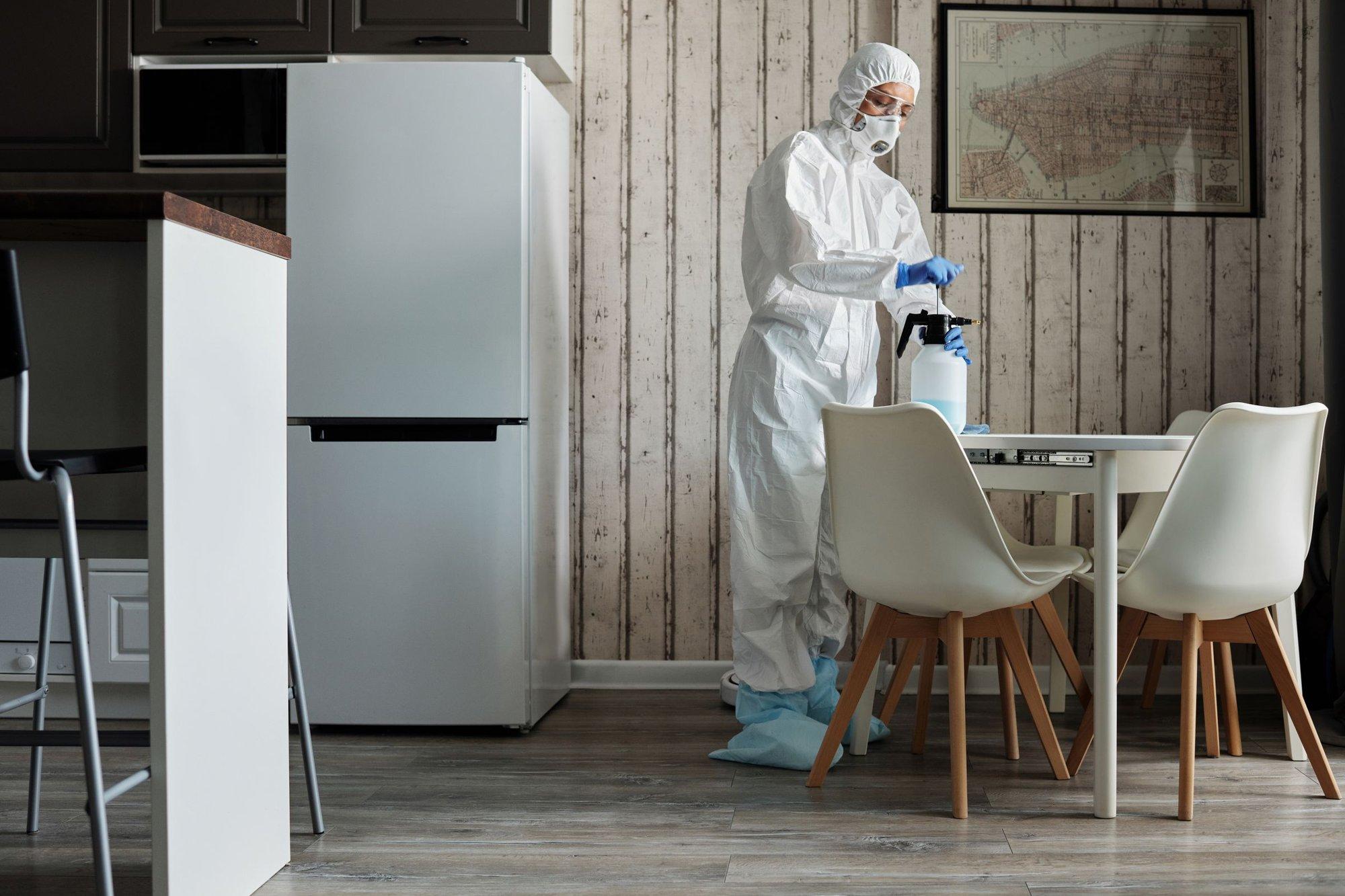
Why pests are a board issue, not just an owner issue
A single bed bug report can turn into a building problem quickly. Bed bugs hitchhike on luggage, used furniture and moving boxes, and they travel between suites through wall voids, outlets, pipe chases and corridors. Cockroaches and mice move the same way through shared walls, garbage rooms and service spaces. In a high-rise, one untreated unit can keep reinfesting its neighbours no matter how often the neighbours treat.
That is why condo boards in Toronto and across Ontario end up making decisions about pests even when the infestation starts inside a private suite. Who pays for treatment? When can the corporation insist on entry? What happens when an owner or tenant won't co-operate? This article walks through those questions using the Condominium Act, 1998, the City of Toronto's property standards rules and practical experience coordinating treatments. It is general information, not legal advice, and your declaration will shape many of the answers.
One point to keep in perspective: Toronto Public Health's bed bug guidance says bed bugs and bed bug infestations are not considered a health hazard, though bites can lead to skin infections or allergic reactions and infestations cause real stress and anxiety. Boards should treat reports seriously and promptly without creating panic or stigma for the residents involved.
Who is responsible under the Condominium Act?
The default rule: units versus common elements
Section 90(1) of the Act says that, subject to section 91, the corporation shall maintain the common elements and each owner shall maintain the owner's unit. Section 17(2) adds that the corporation has a duty to control, manage and administer the common elements and its assets. Applied to pests, the starting point is that the corporation deals with corridors, garbage and recycling rooms, the parking garage, amenity spaces and other common elements, and each owner deals with their own suite.
Your declaration may change the default
Section 91 lets a declaration alter those maintenance and repair duties, for example by requiring the corporation to maintain the units or parts of them. Some declarations, by-laws or rules also say something specific about pest control, such as a building-wide program funded as a common expense or a requirement that owners report infestations. Before the board settles who pays, read the declaration, the by-laws and any pest-related rules together. Our guide to how the declaration, by-laws and rules fit together explains which document wins when they seem to conflict.
Owners are responsible for their occupants
Under section 119(1), owners and occupiers must comply with the Act, the declaration, the by-laws and the rules, and section 119(2) requires an owner to take all reasonable steps to ensure that the occupiers of their unit comply too. If a tenant refuses to prepare a unit for treatment, the corporation will usually deal with the owner as well as the tenant.
Conditions that put others at risk
Section 117(1) says no person shall, through an act or omission, cause a condition to exist or an activity to take place in a unit, the common elements or the corporation's assets if it is likely to damage the property or assets or cause an injury or an illness to an individual. Severe hoarding or sanitation problems that feed an infestation can raise this issue. Whether an ordinary bed bug case does is less clear, so boards should get legal advice before treating it as a section 117 breach.
Who pays for treatment?
There is no single answer in the Act, so most corporations land on one of three approaches, and the right one depends on the declaration, the budget and the building's history.
- Owner pays for their own unit. This follows the section 90 default. It is simple, but it can backfire if an owner delays or chooses a cheap one-off treatment that does not work, because the problem then spreads to neighbours.
- Corporation pays for inspections and common areas, owners pay for in-suite treatment. Many boards budget for inspecting the units around a confirmed case (commonly the suites on each side, above and below) and for treating common elements, while the affected owner pays for their own suite.
- Corporation funds a building-wide program. Some boards decide that paying for coordinated treatment is cheaper than repeated outbreaks. If you take this route, set it out in the budget and, where needed, in a by-law or rule so owners know what is covered.
Whatever approach you choose, apply it consistently and record the board's reasoning in the minutes. Charging an individual owner back requires a legal basis, such as a provision in the declaration, a chargeback by-law or the work-done-for-owner power discussed below. Our article on chargebacks and insurance deductibles explains how chargeback provisions work in Ontario and why they need to be drafted carefully.
Pest treatment is a maintenance expense, so it is generally not something the board should fund from the reserve fund, which section 93(2) restricts to the major repair and replacement of the common elements and assets.
Entering units for inspection and treatment
Section 19 of the Act allows the corporation, or a person it authorizes, to enter a unit or exclusive-use common elements at any reasonable time, on giving reasonable notice, to perform the corporation's objects and duties or exercise its powers. Inspecting neighbouring suites and treating common elements behind walls are typical reasons.
The Act does not define reasonable notice. Many corporations set out a standard notice period in their rules or policies, and give written notice that explains the purpose, the date and time window, who will attend and what residents need to do. Treatments that require preparation, such as bagging clothing and clearing closets, need more lead time than a quick visual inspection.
When an owner won't act
Section 92(3) says that if an owner has a duty under the Act to maintain their unit, fails to carry it out within a reasonable time, and the failure presents a potential risk of damage to the property or the corporation's assets or a potential risk of personal injury to persons on the property, the corporation may do the work. Under section 92(4), the owner is deemed to have consented and the cost is added to the common expenses payable for the unit. That gives boards a tool for persistent cases, but the risk test must be met, so document the history, the notices sent and the pest control operator's findings, and get legal advice before relying on it.
If co-operation still fails, the corporation can seek to enforce compliance. Section 134 allows an application to the Superior Court of Justice for a compliance order, but where the mediation and arbitration processes in section 132 are required, they must be used first. Our guide to mediation, arbitration and the Condo Authority Tribunal explains which route applies to which kind of dispute.
Toronto's property standards rules
In Toronto, Chapter 629 of the Toronto Municipal Code applies to all property in the City. It defines a pest as a mammal, bird or insect infestation injurious to humans or property and lists examples including rats, mice, cockroaches, fleas and bed bugs. Section 629-9 requires all properties to be kept free of pests and of conditions that may encourage infestation.
The chapter's definition of owner is broad and includes the person managing the property. Section 629-5 requires an owner to repair, maintain and keep the property clean in accordance with the standards. Section 629-6 requires every occupant to keep the property clean and sanitary and to co-operate with the landlord in complying with the chapter. For a condominium, that means the corporation and individual unit owners can each have duties, and a complaint to the City can lead to an inspection. Boards outside Toronto should check their own municipality's property standards by-law.
Rented units
When an owner rents out a suite, the owner is also a landlord under the Residential Tenancies Act, 2006. Section 20(1) makes a landlord responsible for maintaining the rental unit in a good state of repair, fit for habitation and in compliance with health, safety, housing and maintenance standards. The corporation's relationship is with the owner, so notices about inspections, preparation and costs should go to the owner as well as the tenant.
Hiring a licensed pest control operator
Under section 5 of Ontario's Pesticides Act, no one may perform or offer to perform an extermination except under a licence of the prescribed class, and no one may operate an extermination business without a licence, unless an exemption applies. Ontario Regulation 63/09 sets out the classes, including the structural exterminator licence used for indoor pest control. Before signing a contract, ask the company for its operator licence and the licence details of the technicians who will attend, and confirm its insurance.
A good pest control contract for a condominium should spell out:
- The scope: which pests, which areas and whether common elements are included.
- Inspection methods, such as visual checks, monitors or detection dogs, and how adjacent units are handled.
- The treatment approach, the number of visits and the follow-up inspection schedule.
- Preparation instructions for residents, in plain language, provided in advance.
- Written reports after each visit, identifying the units inspected and treated and the findings.
- Response times for new reports and pricing for additional units.
- Any warranty or retreatment terms.
A practical response plan for boards
Buildings that handle pests well usually have a written procedure the manager can follow from the first report. A simple version looks like this:
- Make reporting easy and confidential. Ask residents to report suspected pests to management right away and reassure them that reports are handled discreetly. Late reporting is the main reason a single case becomes a floor-wide problem.
- Confirm the problem. Have the pest control operator inspect the reported unit and confirm the pest before treatment begins.
- Inspect neighbouring units. Give reasonable notice under section 19 and inspect the suites around a confirmed case, plus nearby common areas.
- Coordinate preparation. Send preparation sheets and confirm dates. Some residents, including older residents or people with disabilities, may need help preparing their units. Ontario's Human Rights Code protects equal treatment in the occupancy of accommodation, so consider whether accommodation is needed and get advice if you are unsure.
- Treat and follow up. Schedule the follow-up visits in the contract and track them until the operator confirms the problem is resolved.
- Fix building conditions. For cockroaches and rodents especially, look at garbage chutes and rooms, gaps around pipes and doors, and cleaning schedules. Section 629-9 targets conditions that encourage pests as well as the pests themselves.
- Keep records. Keep notices, operator reports and costs. They support any chargeback, any action under section 92 and any dispute that follows.
Communicate with owners about the program in general terms without identifying affected units. Naming suites in a newsletter or posting them in an elevator can expose the corporation to complaints and discourages others from reporting. For broader context on building safety duties, see our overview of health and safety compliance in Toronto condominiums.
Prevention that actually helps
- Include pest guidance in move-in packages and remind residents before busy moving seasons and after holiday travel.
- Set rules on discarded furniture and mattresses in garbage and bulky-item areas, such as requiring mattresses to be wrapped before disposal.
- Keep garbage and recycling rooms clean, sealed and on a regular cleaning and pest monitoring schedule.
- Seal gaps around pipes, conduits and doors during routine maintenance.
- Consider a routine monitoring contract for high-risk common areas.
- Review the pest procedure each year with the manager and the pest control operator.
Rules about how residents use units and common elements must be reasonable and consistent with the Act, the declaration and the by-laws under section 58, and they must follow the Act's notice process before they take effect.
How Brilliant Property Management can help
Brilliant Property Management has supported Ontario condominium boards since 2002. We set up pest response procedures, vet licensed pest control operators, send inspection notices, coordinate unit preparation and follow-up visits, keep the records a board needs for chargebacks or disputes, and help boards budget for building-wide programs. Learn more about our condo property management in Toronto, review our management services, or request a proposal for your building.
Frequently asked questions
Who pays for bed bug treatment in an Ontario condo?
It depends on the declaration. Under section 90 of the Condominium Act, 1998, the corporation maintains the common elements and each owner maintains their own unit, unless the declaration changes those duties under section 91. In practice, owners usually pay to treat their own units and the corporation pays for common areas, but many boards decide to fund inspections of neighbouring units or building-wide programs from the budget because pests spread between suites. Read your declaration and any by-laws on chargebacks before deciding.
Can the condo corporation enter my unit to inspect for bed bugs?
Yes, if it gives reasonable notice. Section 19 of the Condominium Act, 1998 allows the corporation, or a person it authorizes, to enter a unit at any reasonable time on reasonable notice to perform its objects and duties or exercise its powers. Inspections of units next to an infested suite are a common example.
What if an owner refuses to treat their unit?
Section 92(3) of the Act lets the corporation do the work if an owner fails to maintain their unit within a reasonable time and the failure presents a potential risk of damage to the property or assets, or of personal injury. Under section 92(4), the cost is added to the owner's common expenses. Whether a particular infestation meets that test is a legal question, so talk to the corporation's lawyer before relying on it.
Is a condo board in Toronto responsible under the City's pest rules?
Chapter 629 of the Toronto Municipal Code applies to all property in the City and requires properties to be kept free of pests and of conditions that encourage infestation. Its definition of owner is broad, so the corporation and individual unit owners can each have duties, and occupants must keep their units clean and sanitary and co-operate with treatment.
This article is general information about the Condominium Act, 1998, Chapter 629 of the Toronto Municipal Code, the Pesticides Act and Ontario Regulation 63/09, the Residential Tenancies Act, 2006 and the Human Rights Code, current as of October 2026. It is not legal advice. Your obligations depend on your declaration, by-laws, rules, contracts and circumstances. Consult your condominium lawyer about your corporation's situation.