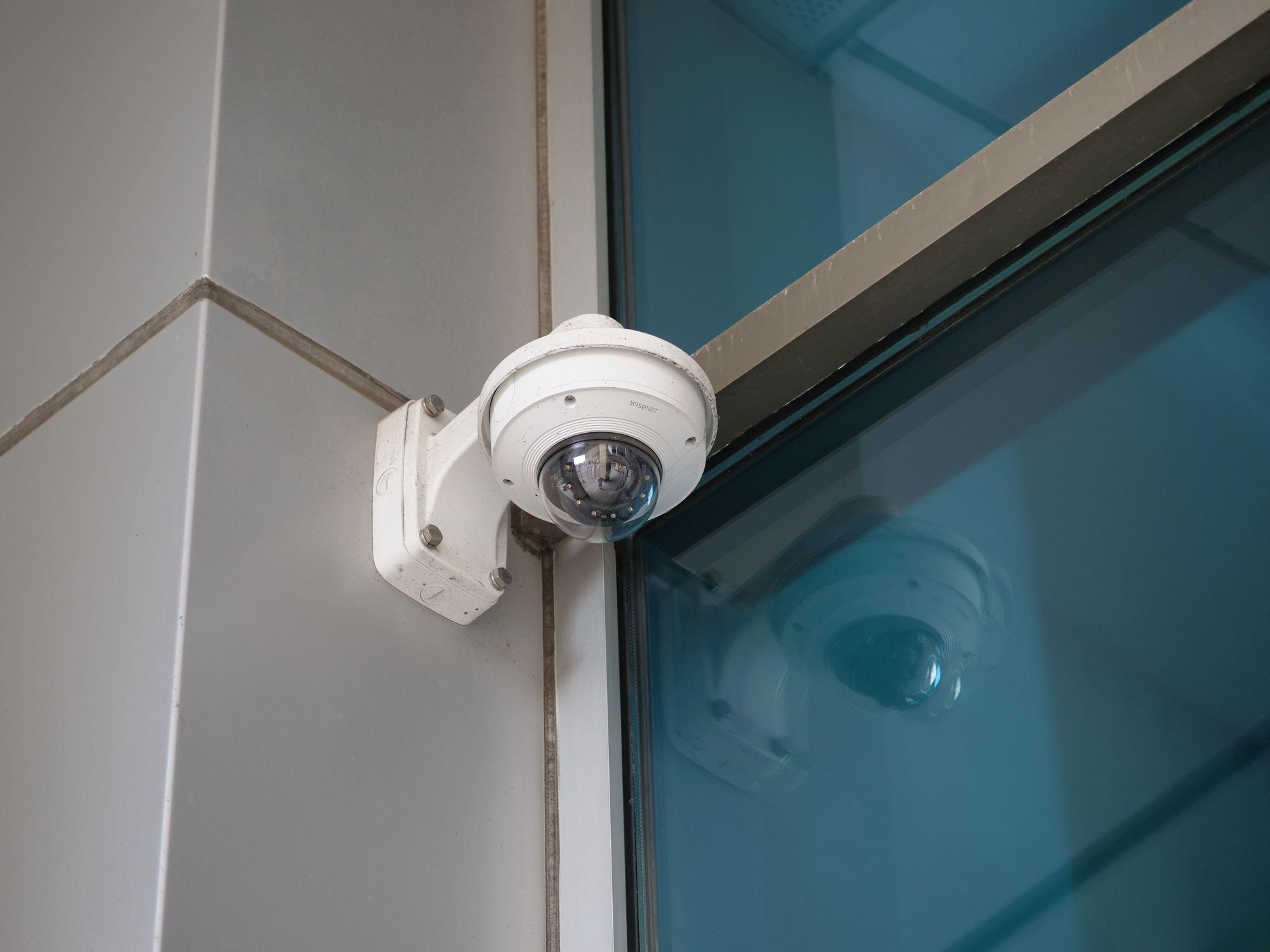
Why cameras raise privacy questions in condos
Security cameras are now standard in Toronto condominiums. They cover lobbies, garages, elevators, mail rooms, loading docks and amenity spaces, and many buildings are upgrading to high-resolution systems with remote viewing. Cameras deter vandalism and theft, help security staff respond to incidents and give the board evidence when something goes wrong.
They also record residents, guests, staff and contractors going about their daily lives. That raises practical questions boards face every year. Which privacy law applies? Where can cameras go? Who may watch live feeds or download clips? What happens when an owner asks for footage? This article walks through those questions for Ontario condominium boards. It is general information, not legal advice. For the broader security picture, including access control and staffing, see our article on condominium security in Toronto.
Which privacy laws apply to condo security cameras?
PIPEDA and the commercial activity question
Ontario has not passed its own general private-sector privacy law, so the statute usually discussed is the federal Personal Information Protection and Electronic Documents Act (PIPEDA). PIPEDA applies to personal information an organization collects, uses or discloses in the course of commercial activities. An image of an identifiable person captured on camera is personal information.
Whether a residential condominium corporation engages in commercial activities is not settled. In records cases such as Naqvi v. Peel Condominium Corporation No. 389 (2020 ONCAT 11) and Gendreau v. Toronto Standard Condominium Corporation No. 1438 (2020 ONCAT 18), the Condominium Authority Tribunal (CAT) found no evidence that the corporation was engaged in commercial activities and held that PIPEDA did not override an owner's right to records under the Condominium Act, 1998. The Tribunal in Gendreau pointed to section 17(1) of the Act, which says the objects of the corporation are to manage the property and assets on behalf of the owners. Those decisions were about records requests, not a general ruling on PIPEDA and condos.
Your manager and security contractor are businesses
The analysis is different for the companies the corporation hires. A property management company or security contractor operates commercially, and its own handling of personal information can fall under PIPEDA. The Office of the Privacy Commissioner of Canada has investigated complaints about condominium security camera systems run by contractors. In practice, this means the corporation's camera policy and its contracts with service providers should line up.
Good practice regardless of the legal answer
Because the law is uncertain and the reputational risk is real, many boards adopt the approach in the federal privacy commissioner's Guidelines for Overt Video Surveillance in the Private Sector. Those guidelines recommend considering less intrusive alternatives first, having a clear reason for each camera, a written policy, limited viewing ranges, signs, secure storage with limited access, timely destruction of recordings, access for individuals to images of themselves, operator training and periodic review. Following them is a sensible standard for a condo even if PIPEDA does not strictly apply.
Where cameras belong and where they don't
Cameras are generally accepted in shared areas where the purpose is security: building entrances and lobbies, garages and ramps, elevator cabs, corridors near exits, mail and parcel rooms, bike rooms, loading areas and the exterior perimeter. Each location should have a reason the board can state in a sentence, such as package theft in the parcel room or vandalism in the garage.
Some places are off limits. Cameras should never capture washrooms, change rooms in fitness or pool areas, or any other place where people can reasonably be expected to undress. Recording people surreptitiously in those circumstances can be a criminal offence under section 162 of the Criminal Code. Cameras also should not look into suite windows or through open unit doors, and the federal guidelines recommend that operators cannot adjust a camera to capture such areas.
Audio is a separate issue. The federal guidelines advise against recording sound unless there is a specific need, and they note that capturing conversations raises Criminal Code concerns about intercepting private communications. Most condos disable audio on common-area cameras, and boards should get legal advice before turning it on.
Newer features deserve the same scrutiny. Facial recognition, licence plate reading and analytics that track individuals collect far more information than a basic recording. If a vendor proposes them, ask what problem they solve, what data they keep and for how long, and have the corporation's lawyer review the proposal.
Approving a new or upgraded camera system
Adding cameras or replacing a system is usually an addition, alteration or improvement to the common elements, so section 97 of the Act applies. The section offers several routes, and which one fits depends on the facts:
- Repair or like-for-like replacement. Under section 97(1), work the corporation does to meet its repair or maintenance obligation, using materials as reasonably close in quality to the original as is appropriate under current construction standards, is deemed not to be an addition, alteration or improvement.
- Board resolution without notice. Section 97(2) allows a change by board resolution without notice to owners if, among other grounds, the board considers it necessary to ensure the safety or security of people using the property, or if the cost is no more than the greater of $1,000 and 1 per cent of the annual budgeted common expenses in a given month.
- Notice to owners. Under section 97(3), the corporation can proceed after sending owners a notice describing the change and its estimated cost, if owners do not requisition a meeting within 30 days or do not vote it down.
- Substantial changes. Section 97(4) requires a vote in favour by the owners of at least 66 2/3 per cent of the units for a substantial change. Under section 97(6), a change is substantial if its estimated total cost exceeds the lesser of 10 per cent of the annual budgeted common expenses and any prescribed amount, or if the board elects to treat it as substantial.
A large system upgrade can involve real money and owner interest, so record in the minutes which route the board relied on and why. When in doubt, ask the corporation's lawyer. Even where notice is not required, telling owners what is being installed and why builds trust and reduces complaints later.
Writing a camera and footage policy
A written policy turns good intentions into a routine that staff and contractors can follow. Adopt it by board resolution and share it with owners, or, if you want parts of it to bind owners and occupants, consider putting those parts into rules under section 58 using the required notice process. Our guide to the declaration, by-laws and rules explains when a rule is the right tool. A useful policy covers:
- Purpose. Security of persons and property, and investigation of incidents. Say what the cameras are not for, such as monitoring residents' comings and goings.
- Locations. A camera list or map showing each location and field of view, kept up to date.
- Signs. Clear notices at entrances and monitored areas, with a contact for questions.
- Who has access. Named roles, such as the manager, security supervisor and specific board officers, with live viewing and downloads limited to those roles and logged.
- Retention. A standard overwrite period and a procedure to preserve clips for incidents, insurance claims, police requests or known disputes.
- Disclosure. How requests from owners, insurers, lawyers and police are handled, documented and approved.
- Security of the system. Passwords, software updates, remote-access controls and vendor obligations.
- Review. An annual check that each camera is still needed and working.
Directors should resist the temptation to browse footage personally. Viewing should happen for a defined purpose, through the manager or security provider, and be recorded in the access log.
When an owner asks for footage
Owners often ask for clips after a parcel goes missing, a car is scratched or a dispute with a neighbour flares up. The CAT has treated security footage as a record of the corporation. In Hawryliw v. Toronto Standard Condominium Corporation No. 2309 (2021 ONCAT 12), the Tribunal noted that footage is not expressly listed among the records section 55(1) requires, but that this does not stop an owner from requesting it under section 55(3).
The right is not unlimited. Section 55(4)(c) exempts records relating to specific units or owners, subject to section 55(5), which still lets an owner obtain records that relate to their own unit or to themselves. Footage showing other residents may therefore need to be withheld, or provided only in a form that does not disclose other people. The federal guidelines similarly suggest masking other individuals when disclosing images. Timing matters too: in He v. Metropolitan Toronto Condominium Corporation No. 952 (2023 ONCAT 196), the request came long after the footage would have been retained, and the Tribunal did not require the corporation to produce what it no longer had.
The practical lessons are to respond to footage requests through the formal records process, act quickly when an incident is reported so that relevant clips can be preserved, and keep notes of what was searched and why anything was withheld. Our article on handling owner records requests under section 55 covers the request forms, timelines and fees. Records disputes fall within the CAT's jurisdiction, and our guide to choosing between mediation, arbitration and the CAT explains where other disputes go.
Police requests are common as well. Have a written process: confirm the officer's identity and file number, release only what is relevant, document the disclosure and follow legal advice when a request is broad or unusual.
Owner cameras: doorbells and in-suite devices
Video doorbells and corridor-facing cameras installed by owners are a growing source of complaints. In many Toronto buildings, the unit entry door and the corridor are common elements, so the declaration and rules decide what an owner may attach. An owner's addition or alteration to the common elements generally requires board approval and an agreement under section 98 of the Act, with a simpler process in section 98(2) for some changes to exclusive-use common elements.
Boards can also address owner cameras through reasonable rules under section 58, for example limiting the field of view to the owner's own doorway, prohibiting audio recording in corridors or requiring approval before installation. Write rules carefully and apply them consistently, since a complaint about a neighbour's camera can quickly become a broader dispute.
Staff, contractors and electronic monitoring
Cameras also record concierge staff, cleaners and trades. Ontario's Employment Standards Act, 2000 requires employers that employ 25 or more employees in Ontario on January 1 of a year to have a written electronic monitoring policy. Most condominium corporations employ few or no staff directly, so this rule often applies to the management company or security contractor as the employer rather than to the corporation. Check who employs the people on site, and make sure the corporation's camera policy and the contractor's monitoring policy are consistent.
A short checklist for boards
- List every camera, its location, field of view and purpose.
- Confirm no camera covers washrooms, change rooms or the inside of suites, and that audio is off unless there is legal advice supporting it.
- Adopt a written camera and footage policy, and put owner-binding parts into rules if needed.
- Post clear signs with a contact for questions.
- Limit and log access to live feeds and downloads.
- Set a retention period and a preservation procedure for incidents.
- Route owner footage requests through the section 55 records process.
- Record which section 97 route the board relied on for any new or upgraded system.
- Align contracts with the manager and security provider on privacy and system security.
How Brilliant Property Management can help
Brilliant Property Management has supported Ontario condominium boards since 2002. We help boards plan camera upgrades, prepare camera and footage policies with the corporation's lawyer, coordinate security providers, handle footage and records requests through a documented process and keep the logs a board needs if a dispute reaches the CAT. Learn more about our condo property management in Toronto, review our management services, or request a proposal for your building.
Frequently asked questions
Does PIPEDA apply to Ontario condominium corporations?
There is no definitive answer. PIPEDA applies to personal information an organization collects, uses or discloses in the course of commercial activities, and Condominium Authority Tribunal decisions on records requests have found no evidence that the condominium corporations before them were engaged in commercial activities. Management companies and security contractors are businesses, so their own handling of personal information can fall under PIPEDA. Many boards follow the federal privacy commissioner's video surveillance guidelines as good practice either way.
Can a condo owner get a copy of security camera footage?
Sometimes. The Condominium Authority Tribunal has treated security footage as a record of the corporation that an owner can request under section 55 of the Condominium Act, 1998, even though footage is not on the list of records the Act says must be kept. Records relating to specific units or other owners are exempt, but an owner can obtain records that relate to their own unit or to themselves. If footage has already been overwritten under the corporation's normal retention period, there may be nothing to produce.
How long should a condo keep security footage?
The Condominium Act, 1998 does not set a retention period for video footage. Boards usually set one in a written policy based on the system's purpose and storage, and preserve specific clips when there is an incident, an insurance claim, a police request or a known dispute. Keeping footage longer than the purpose requires adds privacy and security risk.
Can an owner install a doorbell camera on their condo unit door?
It depends on the declaration and rules. In many buildings the unit door and the corridor are common elements, so an installation may need board approval and, for an addition or alteration to the common elements, an agreement under section 98 of the Act. Rules made under section 58 can set reasonable conditions, such as where the camera may point. Check your corporation's documents before approving or refusing a request.
This article is general information about the Condominium Act, 1998, PIPEDA, the federal privacy commissioner's video surveillance guidelines, the Criminal Code, the Employment Standards Act, 2000 and selected Condominium Authority Tribunal decisions, current as of October 2026. It is not legal advice. Your obligations depend on your declaration, by-laws, rules, contracts and circumstances. Consult your condominium lawyer about your corporation's situation.