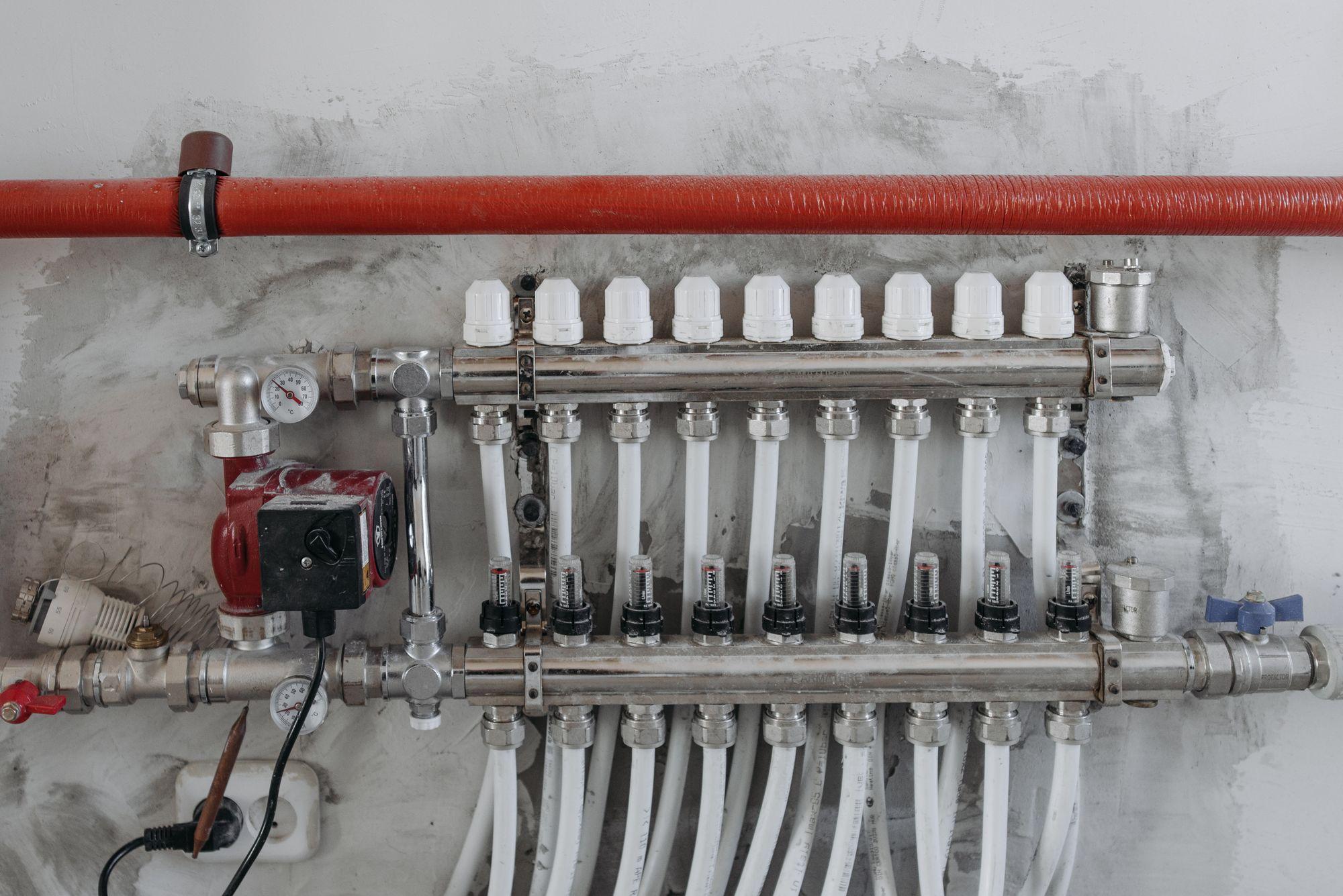
Plumbing is one of the least visible systems in a condominium and one of the most expensive when it fails. In a Toronto high-rise, domestic water travels up vertical risers in shafts and chases, branches off at each floor and feeds dozens or hundreds of suites. A single failed fitting on an upper floor can send water through several units below before anyone finds the shut-off. In buildings from the late 1990s and 2000s, boards may also be dealing with Kitec, a piping system that has become well known to insurers, inspectors and buyers.
This guide is for Ontario condo boards and directors. It explains how riser and Kitec problems show up, how the Condominium Act, 1998 divides responsibility between the corporation and owners, and how to plan a replacement program without surprising owners or the budget.
Risers, Branch Lines and In-Suite Piping: Know What You Have
Before a board can make decisions, it needs a clear picture of the building's water distribution system. Most high-rise and mid-rise condos have three layers of piping:
- Risers: the vertical supply and return lines (domestic cold water, domestic hot water and hot water recirculation) that run through the building, usually in shared shafts, along with drain and vent stacks.
- Branch lines: the horizontal pipes that connect each suite to the risers, often with an isolation valve at or near the unit.
- In-suite piping: the lines inside the unit that feed fixtures, appliances and, in some buildings, fan coil units.
Common pipe materials in Toronto condos include copper, galvanized steel in some older buildings, cast iron for drains, and plastic or composite systems in newer construction. Each ages differently. Copper can develop pinhole leaks over time, especially with aggressive water chemistry or high velocity in recirculation loops. Galvanized steel corrodes from the inside and restricts flow. Composite systems have their own failure patterns, which is where Kitec comes in.
The first practical step is to find the as-built mechanical drawings, any previous engineering reports and the reserve fund study, and confirm what is actually installed. Drawings and the real building do not always match, so a plumbing engineer may need to open a few access panels to verify.
What Is Kitec and Why Do Boards Care?
Kitec is a brand of composite plumbing pipe, an aluminium layer between layers of plastic (PEX-AL-PEX or PE-AL-PE), that was sold with brass fittings. It was made by IPEX and installed in homes and buildings across Canada and the United States, mostly between 1995 and 2007. It was popular because it was flexible and quick to install. The pipe is often orange for hot water and blue for cold, though colour alone does not confirm what you have.
The concern is premature failure. The brass fittings can corrode, a process called dezincification, which weakens them and can lead to leaks or sudden failure. The pipe itself can also degrade, particularly on hot water lines under high temperature and pressure. A class action in Canada and the United States resulted in a US$125 million settlement approved in 2011, without an admission of liability by the manufacturer. The claims deadline for that settlement was January 9, 2020, and late claims are rejected, so boards should not plan on settlement money for a Kitec replacement today.
Kitec matters to boards for several reasons:
- Water damage risk: a failed fitting under pressure can release a lot of water quickly, and in a high-rise that water rarely stays in one unit.
- Insurance: some insurers ask about Kitec, and it can affect coverage terms, premiums or deductibles for the corporation and for individual owners.
- Resale: buyers and their home inspectors increasingly ask about it, so owners will want to know the corporation's plan.
Where Kitec exists in a condo varies. In some buildings it was used for in-suite distribution only; in others it also appears in common element piping. That distinction drives who is responsible for replacing it.
Who Is Responsible for Plumbing Under the Condominium Act?
The starting point is section 90 of the Condominium Act, 1998: subject to section 91, the corporation maintains the common elements and each owner maintains their own unit. The obligation to maintain includes repair after normal wear and tear, but not repair after damage.
Repair after damage is covered separately. Under section 89, subject to sections 91 and 123, the corporation repairs both the units and the common elements after damage, and that obligation includes repairing and replacing after damage or failure. It does not include repairing improvements made to a unit, measured against the standard unit for that class of unit. Our article on standard unit definitions explains how that comparison works.
Section 91 lets the declaration change those defaults. For example, a declaration can require owners to repair their own units after damage, or require the corporation to maintain parts of the units. This is why the declaration and the description (the survey plans that show unit boundaries) are essential. In many buildings:
- Risers and main lines in shared shafts are common elements, maintained by the corporation.
- Piping inside the unit boundary that serves only that unit is part of the unit, maintained by the owner.
- Branch lines and shut-off valves can fall on either side of the line depending on how the declaration and description define the unit.
Do not assume. Ask the corporation's lawyer to confirm where the boundary sits for your building before announcing who pays for what.
When an Owner's Pipes Put the Building at Risk
Kitec inside a unit is often the owner's responsibility to maintain, but a leak does not respect unit boundaries. The Act gives boards some tools.
Under section 92(3), if an owner has an obligation under the Act to maintain their unit, fails to do so within a reasonable time, and that failure presents a potential risk of damage to the property or assets of the corporation or a potential risk of personal injury, the corporation may do the work itself. Under section 92(4), the owner is deemed to have consented to the work and the cost is added to the owner's contribution to the common expenses. Before relying on this, get legal advice on whether the facts in your building meet that test and how to document it.
Section 19 allows the corporation, or a person it authorizes, to enter a unit at any reasonable time on giving reasonable notice to perform its duties or exercise its powers. That matters for inspections, valve testing and riser work that needs access through suites. Clear, early notices and flexible scheduling go a long way toward getting cooperation.
Insurance deductibles are the other lever. Under section 105(2), when an owner, tenant or resident causes damage to their own unit through an act or omission, the lesser of the repair cost and the corporation's deductible is added to that owner's common expenses. Section 105(3) lets a corporation pass a by-law extending the circumstances where the deductible is charged back, as long as the damage was not caused by the corporation or its directors, officers, agents or employees. Many Toronto corporations have such a by-law, and it can apply to leaks from in-suite piping. Our guide to insurance deductibles and chargebacks covers this in more detail.
Signs Your Building Needs a Plumbing Assessment
Some warning signs point to a riser or piping problem rather than a one-off leak:
- Repeated pinhole leaks on the same riser or in the same stack of units.
- Discoloured water, low pressure or slow-to-arrive hot water on upper floors.
- Corrosion, staining or white crusty deposits on visible fittings and valves.
- Shut-off valves that will not close fully, or that leak when they are exercised.
- Rising water damage claims, or an insurer asking pointed questions at renewal.
- Confirmed Kitec in any part of the building, including just a few suites.
If any of these show up, the board should retain a professional engineer experienced in building plumbing to assess the system. A good assessment identifies materials, condition, remaining service life, failure patterns by riser and floor, and options with cost ranges. The reserve fund study should then reflect the findings. Ontario Regulation 48/01 sets the reserve fund study cycle, and an engineering report on the plumbing gives the reserve fund planner better information than a visual review can.
Planning a Riser or Kitec Replacement Program
Riser and piping replacement is one of the more disruptive projects a condo can take on. It involves shutting down water in sections of the building, opening walls and ceilings in suites, and coordinating trades across many floors. Boards that plan well tend to follow a similar path.
1. Decide the scope
Will the corporation replace only common element risers, or also branch lines and in-suite piping? A building-wide program can be more efficient and consistent than leaving each owner to hire their own plumber, but if part of the work is the owners' responsibility, the board needs a legal basis and a clear cost allocation. Where the corporation proposes to take on work that is not strictly its responsibility, or to change materials, section 97 may require notice to owners and, depending on the cost and nature of the change, an owner vote. Work done with materials as reasonably close in quality to the original as is appropriate under current construction standards is deemed not to be an addition, alteration or improvement, so like-for-like repair generally does not trigger those requirements. Get advice before committing.
2. Fund it properly
Replacing risers on schedule is reserve fund work. If the reserve fund study did not anticipate early failure, the board may need to update the study and adjust contributions. Our article on reserve fund increases versus special assessments covers the trade-offs. For in-suite work owners are paying for, consider whether the corporation can arrange a group price and let owners opt in.
3. Tender and engineer the project
Have the engineer prepare specifications and tender documents, and get competitive bids from qualified contractors. The contract should cover phasing, water shut-off windows, protection of finishes, restoration standards for drywall and paint, warranty terms and how unforeseen conditions are priced.
4. Communicate early and often
Owners and tenants will tolerate a lot if they know what is coming. Send notices well ahead of each phase with dates, expected water shut-off times, what residents need to move or clear, and who to contact. Keep a log of access appointments and any damage claims. Section 19 entry rights are easier to exercise when residents have been given plenty of notice.
5. Close out properly
At the end, collect as-built drawings, pressure test results, warranties and an updated valve schedule. Feed them into the corporation's records and the next reserve fund study update.
Day-to-Day Practices That Reduce Plumbing Risk
Even without a full replacement, boards can lower the odds of a major leak:
- Exercise riser and branch shut-off valves on a regular schedule so they work in an emergency.
- Label valves and keep a current valve chart in the mechanical room and with the management office.
- Consider leak detection sensors or automatic shut-off valves in high-risk locations such as mechanical rooms, under kitchen sinks and near water heaters.
- Keep hot water temperature and pressure within the ranges the engineer recommends.
- Ask owners to report renovations that touch plumbing, and require qualified trades through the corporation's alteration process.
- Track every leak by location and cause so patterns show up early.
For a broader set of prevention measures, see our guide to preventing water damage in Toronto condos.
How a Property Manager Helps
A capable manager keeps leak records, schedules valve exercising, coordinates engineers and contractors, prepares owner notices and keeps the project on budget. When a leak happens at 2 a.m., the manager's emergency procedures and contractor relationships decide how much damage spreads. If your board is reviewing whether its current management can handle a riser program, our condo property management in Toronto page explains how we work with boards, and our management services page lists what is included. Boards comparing providers can also request a proposal.
Frequently Asked Questions
Who pays to replace Kitec piping in an Ontario condo?
It depends on where the piping is and what the declaration says. Under the Condominium Act, 1998, the corporation maintains the common elements and owners maintain their units, but the declaration can change that. Kitec in common element risers is usually the corporation's cost; Kitec inside a unit is often the owner's. Confirm with the corporation's lawyer.
Can the board force an owner to replace Kitec in their unit?
Section 92(3) lets the corporation do maintenance work an owner has failed to do within a reasonable time if the failure presents a potential risk of damage to the property or the corporation's assets, or of personal injury, and charge the cost back. Whether that test is met depends on the facts, so get legal advice first.
Can owners still claim from the Kitec class action settlement?
No. The claims deadline for the Kitec settlement was January 9, 2020, and claims received after that are rejected.
How do we know if our building has Kitec?
Start with the original mechanical drawings and specifications, then have a plumbing engineer or qualified contractor inspect visible pipe and fittings, including markings on the pipe. Colour alone is not proof.
Does the corporation need owner approval to replace risers?
Not usually for like-for-like replacement of common element piping, because section 97 deems that kind of work not to be an addition, alteration or improvement. Expanding the scope or changing what the corporation provides may require notice to owners or a vote, so check before you commit.
This article is general information about Ontario condominium practice and is not legal advice. Every corporation's declaration and circumstances differ, so consult a lawyer and a qualified engineer before acting.