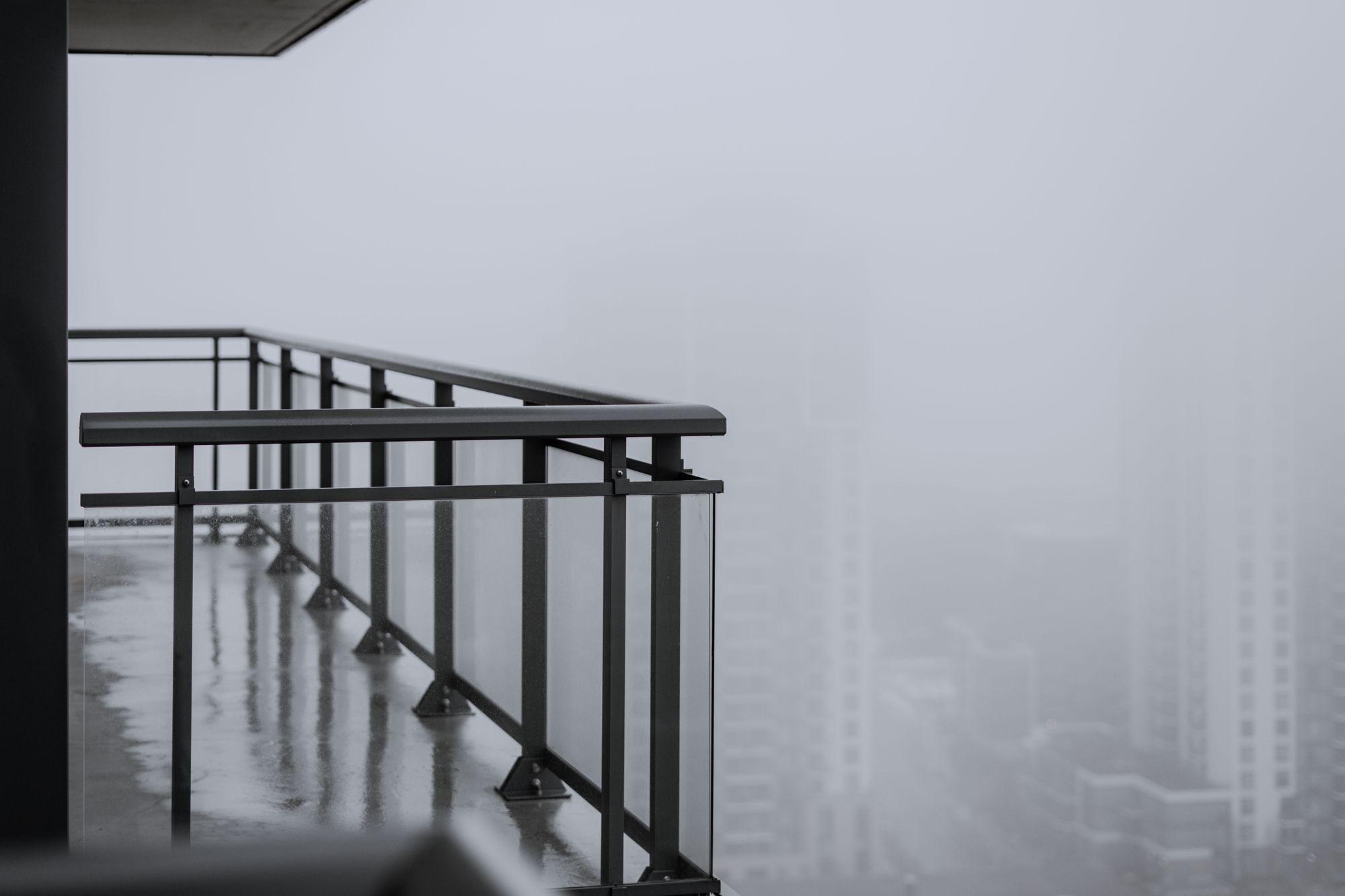
Why balconies raise so many board questions
A balcony feels like part of the suite. Owners furnish it, decorate it and treat it as their own outdoor space. In most Ontario condominium apartment buildings, though, the balcony is not part of the unit at all. It is a common element that the owner has the exclusive right to use, and that difference drives almost every balcony question a board fields: who fixes cracked concrete, who replaces a damaged glass panel, whether an owner can lay down tiles, when contractors can come through a suite, and which rules the corporation can enforce.
This guide explains how the Condominium Act, 1998 treats exclusive-use common elements such as balconies, terraces and patios, what that means for repairs and restoration projects, and how boards can set and apply sensible balcony rules. It is general information, not legal advice. Your declaration is the starting point for every answer, and your condominium lawyer and engineer are the right people for building-specific questions.
Unit or common element? Start with the declaration
The Act defines common elements as all of the property except the units. Whether a balcony falls inside or outside a unit depends on the unit boundaries set out in the corporation's registered description and declaration.
Section 7(2)(f) requires every declaration to contain a specification of all parts of the common elements that are to be used by the owners of one or more designated units and not by all the owners. These are what people call exclusive-use common elements. In a typical high-rise declaration, the schedule lists balconies, terraces, patios and sometimes parking spaces or lockers, and assigns each to a unit.
A few practical points for boards:
- Read the actual schedules. Do not assume the balcony door, the railing, the glass guard panels or the membrane under a terrace paver sit on the same side of the boundary as the balcony slab. Declarations differ, and older corporations can be very different from newer ones.
- Exclusive use is not ownership. The owner has the right to use the space, but it remains a common element. The corporation keeps its duties and powers over it, subject to what the declaration says.
- The hierarchy still applies. The Act prevails over the declaration, and the declaration prevails over by-laws and rules. For more on the order of these documents, see our guide to how the declaration, by-laws and rules fit together.
Who maintains and repairs a balcony
The Act sets a default division of responsibility and then lets the declaration change it.
The default under the Act
- Maintenance. Section 90(1) says that, subject to section 91, the corporation shall maintain the common elements and each owner shall maintain their unit. Section 90(2) adds that the obligation to maintain includes repair after normal wear and tear, but not repair after damage.
- Repair after damage. Section 89(1) says that, subject to sections 91 and 123, the corporation shall repair the units and common elements after damage. Section 89(2) extends that to repairing and replacing after damage or failure.
What the declaration can change
Section 91 lets the declaration alter these obligations. Of most relevance to balconies, clause 91(c) allows a declaration to provide that each owner shall maintain and repair after damage those parts of the common elements of which the owner has exclusive use. A declaration may also make owners responsible for maintaining the common elements or any part of them (clause 91(b)).
In practice, many declarations split balcony duties: owners keep the surface clean and clear, and handle damage they cause, while the corporation remains responsible for the structure, waterproofing, railings and guards. That is a common pattern, not a rule, so confirm what your own declaration says before you send an owner a repair demand.
When an owner does not do their share
If the declaration gives the owner an obligation to repair after damage and the owner fails to do it within a reasonable time, section 92(1) says the corporation shall do the work. Where the owner has a maintenance obligation over common elements and fails to carry it out within a reasonable time, section 92(2) says the corporation may do it. Under section 92(4), the owner is deemed to have consented to the work, and the cost is added to the common expenses payable for the unit. Boards should document the problem, the notice given and the time allowed before acting.
Balcony restoration projects
Concrete balconies are exposed to rain, freeze-thaw cycles and de-icing salts year after year. Over time that can lead to cracking, spalling, corroded reinforcing steel and failed waterproofing. For many Toronto towers, balcony restoration becomes one of the larger capital projects in the building's life, alongside the other envelope work covered in our article on building envelope management.
Funding and planning
Section 93 requires the corporation to keep a reserve fund used solely for the major repair and replacement of the common elements and assets of the corporation, and section 94 requires periodic reserve fund studies to test whether the fund and contributions are adequate. Where balconies are common elements, their major repair and replacement belongs in that planning. If a study shows a large balcony program coming, boards gain time to sequence the work, compare tenders and avoid surprises. Our guide to planning and running major capital projects covers tendering, contracts and oversight in more detail.
Section 97(1) helps here. When the corporation carries out its repair or maintenance obligation using materials as reasonably close in quality to the original as is appropriate under current construction standards, the work is deemed not to be an addition, alteration or improvement to the common elements. Like-for-like restoration therefore does not trigger the owner notice and vote requirements that apply to changes under section 97. Upgrades that go beyond that, such as a different guard system chosen for appearance rather than need, may be a change that requires notice to owners or, if substantial, an owners' vote, so talk to your lawyer early.
Access and notice
Section 19 gives the corporation, or a person it authorizes, the right to enter a unit or a part of the common elements of which an owner has exclusive use at any reasonable time to perform its duties or exercise its powers, on giving reasonable notice. Balcony programs depend on this. Good practice includes:
- written notice well ahead of the work, with the expected start date, duration and the stack or elevation affected;
- clear instructions on what owners must remove, such as furniture, planters, privacy screens, flooring and satellite equipment, and by when;
- a plan for owners who cannot clear their balconies themselves, including older residents and people with disabilities;
- updates if the schedule slips, plus a record of units that could not be accessed; and
- a site safety plan from the contractor covering swing stages, overhead protection and restricted areas.
Tenants should be told directly as well as through the owner, because they are the ones whose balcony is closed.
Owner changes: tiles, enclosures and other alterations
Owners often want to install deck tiles, artificial turf, privacy screens, lighting or even partial enclosures. Because the balcony is a common element, these are additions, alterations or improvements to the common elements, and section 98 controls them.
Under section 98(1), an owner may make such a change only if it is not contrary to the Act or the declaration, and:
- the board has approved it by resolution;
- the owner and the corporation have signed an agreement that allocates the cost and sets out each party's duties and responsibilities, including the cost of repair after damage, maintenance and insurance; and
- where section 97 would apply if the corporation made the change itself, its notice or vote requirements are met and the agreement is included in the notice to owners.
Section 98(2) creates a simpler route for exclusive-use areas. The notice and vote steps do not apply if the board is satisfied, on the evidence it may require, that the change will not adversely affect other units, will not cause any expense to the corporation, will not detract from the appearance of the buildings, will not affect structural integrity (with an engineer's certificate if the structure is changed) and will not contravene the declaration or any prescribed requirements.
Under section 98(3), the agreement does not take effect until the conditions are met and the corporation has registered it against title to the unit. Once registered, it binds the unit and future owners. That matters during restoration: a well-drafted agreement should say who removes and reinstalls owner flooring when the corporation needs to reach the slab, and at whose cost.
Balcony rules a board can make
Section 58(1) lets the board make rules about the use of the units and common elements to promote the safety, security or welfare of owners and the property, or to prevent unreasonable interference with the use and enjoyment of the units and common elements. Rules must be reasonable and consistent with the Act, the declaration and the by-laws (section 58(2)).
Common balcony rule topics include:
- storage limits, and keeping items away from guards and drains;
- securing furniture, planters and decorations against wind;
- hanging laundry, signs or items over the railing;
- feeding birds and deterrent netting;
- barbecues and open flames;
- hot tubs, heavy planters and anything else that adds significant weight; and
- approvals required before installing flooring, screens or fixtures.
A new or amended rule follows the section 58 process. The board sends owners a notice with the rule, the proposed effective date and a statement of their right to requisition a meeting, with copies of sections 46 and 58. If no requisition arrives within 30 days, the rule takes effect the day after that 30th day. Rules can be enforced in the same manner as the by-laws (section 58(10)).
Barbecues in Toronto
Barbecue questions come up every spring. According to the City of Toronto's barbecue safety guidance, Toronto Fire Services does not regulate or enforce barbecue use on condominium balconies, and owners may not barbecue where the condominium's governing documents prohibit it. Where barbecues are allowed, the City says the balcony must be open to the outside and the barbecue kept clear of combustible material. For propane, it adds that cylinders are transported in a service elevator (or alone in a passenger elevator if there is no service elevator), kept on the balcony and connected, and positioned so the relief valve is at least one metre horizontally from building openings below and three metres from building air intakes. Boards that allow barbecues should reflect these conditions in their rules.
Dangerous conditions
Section 117(1) says no person shall, through an act or omission, cause a condition to exist or an activity to take place in a unit or the common elements that is likely to damage property or cause injury or illness. Loose objects on a high balcony, overloaded planters or a damaged guard can fall into that category. When a board learns of a hazard, it should act promptly, document what it did and, where needed, get an engineer's opinion.
Disagreements between the corporation and an owner about the declaration, by-laws or rules generally go to mediation and arbitration under section 132, unless the matter falls within the Condominium Authority Tribunal's jurisdiction. Our guide to choosing between mediation, arbitration and the Condominium Authority Tribunal explains how to tell which route applies.
A board checklist for balconies
- Pull the declaration and description and confirm whether balconies, doors, railings and guards are unit or common element, and which are exclusive use.
- Write down the maintenance and repair split under sections 90, 89 and 91 as your declaration applies it, and share a plain-language version with owners.
- Check that balcony components are captured in the reserve fund study, and diarize engineering reviews of slabs, guards and membranes.
- Review your balcony rules for reasonableness and clarity, especially on weight, storage, barbecues and wind safety.
- Keep a register of section 98 agreements for balcony alterations, and confirm each has been registered against title.
- For any restoration program, prepare notices, access schedules and an accommodation plan before the contractor mobilizes.
- Record hazard reports and the corporation's response in the building file and the board minutes.
How professional management helps
Brilliant Property Management has supported Ontario condominium boards since 2002. On balconies, a manager interprets the declaration's repair split, issues consistent owner notices, coordinates engineers and contractors for inspections and restoration, tracks section 98 alteration agreements, and keeps the board informed with clear reports. Learn more about our condo property management in Toronto, see our full services, or invite a proposal through our request for proposal page.
Frequently asked questions
Is my condo balcony part of my unit?
Usually not. In most Ontario condominium apartment buildings, balconies are common elements that the declaration designates for the exclusive use of one unit, but the registered description and the declaration decide this for each corporation. Check the unit boundary schedule and the exclusive-use schedule in your declaration.
Who pays to repair a condo balcony in Ontario?
Under the Condominium Act, 1998, the corporation maintains the common elements and repairs them after damage, unless the declaration shifts some of that work. Section 91 allows a declaration to make each owner responsible for maintaining and repairing after damage the common elements they have exclusive use of. Structural balcony restoration is typically funded by the corporation, often from the reserve fund, but the split depends on your declaration.
Can the condo corporation enter my balcony for repairs?
Yes. Section 19 of the Act lets the corporation, or a person it authorizes, enter a unit or an exclusive-use common element at any reasonable time, on giving reasonable notice, to perform its duties or exercise its powers. Owners are usually asked to clear their balconies before restoration work begins.
Can an owner install tiles, flooring or an enclosure on a condo balcony?
Only if it is not contrary to the Act or the declaration and the requirements of section 98 are met. That generally means a board resolution approving the change and a written agreement with the corporation covering cost, maintenance, repair and insurance, which takes effect only once it is registered against title to the unit.
Are barbecues allowed on Toronto condo balconies?
It depends first on your corporation's declaration and rules, which can prohibit them. The City of Toronto says Toronto Fire Services does not regulate or enforce barbecue use on condominium balconies, and that where barbecues are permitted the balcony must be open to the outside, with additional handling rules for propane cylinders.
This article is general information about the Condominium Act, 1998 and related City of Toronto guidance, current as of October 2026. It is not legal or engineering advice. Responsibilities for balconies depend on each corporation's declaration, description, by-laws and rules. Consult your condominium lawyer and a qualified engineer about your corporation's specific situation.