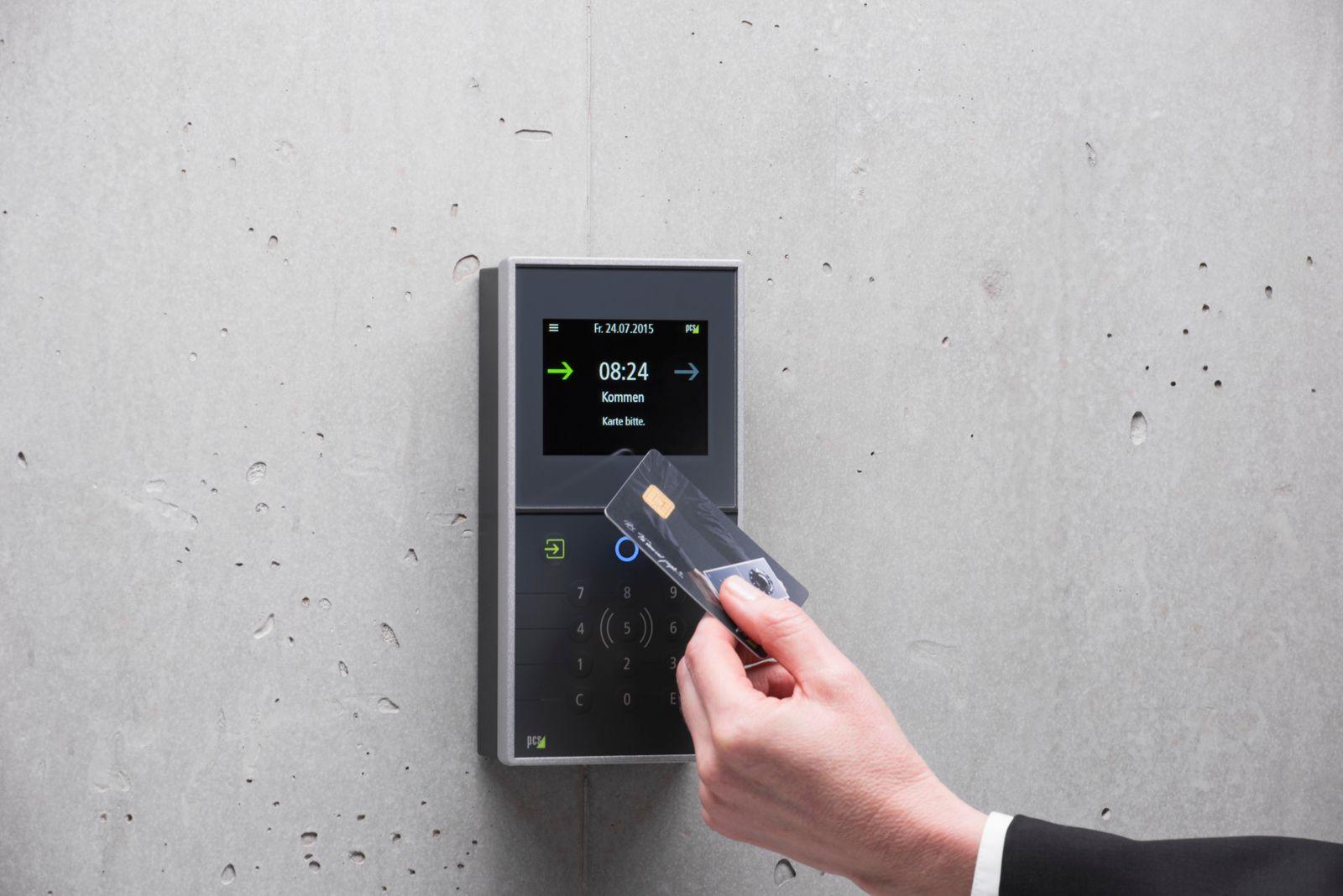
Why fobs deserve a written process
In most Toronto condominiums, the key fob is the front door, the garage door, the elevator and the amenity room all at once. It is also one of the most common sources of day-to-day friction for a board: residents who lost a fob and want a replacement tonight, tenants who moved out months ago and still have access, owners who question a replacement fee, and a front desk that is not sure who is allowed to approve what.
None of this is complicated on its own. The trouble is that fob decisions are usually made one request at a time, by whoever happens to be at the desk. A short, written access control process fixes most of it. This guide walks through what that process should cover, where the Condominium Act, 1998 comes in, and what to check before you upgrade the system.
Who controls building access
The access control system, the readers on the doors and the database behind them are normally assets and common elements of the corporation, and the board is responsible for how they are used. In practice, the board sets the policy and the property manager, concierge or security provider carries it out day to day.
That split works best when it is written down. The board decides the rules: who can hold a fob, how many per unit, what a replacement costs and what proof is needed. Management and front-desk staff apply those rules the same way for everyone and escalate anything unusual. If your concierge or security company programs fobs, the contract should say so. Our guide to concierge and security service contracts covers what to put in that agreement.
Using rules to set fob policy
Section 58 of the Condominium Act, 1998 lets a board make rules about the use of the units, common elements and assets to promote the safety, security or welfare of owners and the property, or to prevent unreasonable interference with the use and enjoyment of the property. Fob policy fits comfortably within that purpose.
Two parts of section 58 matter most here:
- Rules must be reasonable and consistent with the Act, the declaration and the by-laws. A rule that effectively locks a lawful occupant out of their own home, or that charges a fee with no connection to cost, invites a dispute.
- Rules follow a notice process. When the board makes, amends or repeals a rule, it must send owners a notice that includes a copy of the rule, the proposed effective date, a statement of the owners' right to requisition a meeting under section 46, and the text of sections 46 and 58. If no requisition arrives within 30 days of that notice, the rule takes effect the day after the 30th day. If owners do requisition a meeting, the timing depends on what happens at that meeting.
Section 119 requires owners and occupiers to comply with the Act, the declaration, the by-laws and the rules, and requires owners to take all reasonable steps to ensure their occupiers and guests comply. That gives the corporation a basis to expect owners to manage fobs issued for their unit, including fobs held by tenants.
A practical fob rule usually covers:
- the number of fobs issued per unit, and how extra fobs are requested;
- what identification or confirmation is needed before a fob is issued or replaced;
- the replacement fee, if any, and how it is paid;
- how lost or stolen fobs are reported and deactivated;
- whether fobs can be lent or duplicated (usually not, and many modern fobs are designed to resist copying);
- which areas each type of fob opens, such as garage, amenity floors or storage rooms; and
- how temporary access is given to contractors, movers and short-term guests.
Before drafting, check your declaration and existing rules. Some older buildings already have a rule on keys or access that needs updating rather than replacing, and your declaration may say something about who can occupy a unit or use certain areas.
Issuing and deactivating fobs
The most important access control event is not issuing a fob. It is turning one off. A fob that still works after a tenancy ends, after an owner sells, or after a contractor leaves is a security gap that nobody notices until something goes wrong.
New owners
Tie fob issuance to confirmed ownership. Many corporations ask for a copy of the transfer or confirmation from the lawyer before issuing fobs, then deactivate the seller's fobs on the closing date. Fobs are not always handed over by the seller, so assume they may not be and reprogram if needed.
Tenants
Leasing is where most fob problems start. Under section 83 of the Act, an owner who leases or renews a lease must notify the corporation within 10 days, give the corporation the tenant's name, the owner's address and a copy of the lease or a summary in the prescribed form, and give the tenant a copy of the declaration, by-laws and rules. When a lease ends and is not renewed, the owner must notify the corporation in writing within 10 days.
Those notices are the natural trigger for fob changes. Issue tenant fobs once the leasing notice is on file, and use the termination notice to deactivate them. A periodic review of the lease register against the fob database, such as every quarter, catches tenancies that ended without a notice. Our guide to leasing a condo unit in Ontario explains the section 83 process in more detail.
Move-ins and move-outs
A move is a good checkpoint for access. Fob activation, parking registration and the elevator booking can sit on the same checklist, as separate items. We cover the rest of that process in our guide to move-in and move-out rules in Toronto condos.
Contractors, staff and trades
Contractor and staff fobs should be time-limited where the system allows it, assigned to a named person or company, and collected or deactivated when the work or employment ends. Master fobs and fobs that open mechanical rooms, the roof or the electrical room deserve extra care: keep a short list of who holds them, and review it at least once a year.
Replacement fees
Most buildings charge something for a replacement fob, and owners rarely object to a fee that covers the corporation's cost. Problems arise when the fee looks like a penalty or changes without notice.
Some practical points:
- Set the fee in a rule or a board-approved schedule, so it is the same for everyone and owners have notice of it.
- Base it on the real cost of the fob and the time to program it, and review it when the supplier's price changes.
- Decide in advance how the fee is collected, for example at the desk or on the owner's account. How a corporation can recover unpaid amounts depends on its declaration, by-laws and the Act, so ask your condo lawyer before treating a fob fee like common expenses.
- Deactivate a lost fob immediately, whether or not the replacement has been paid for.
Access records and privacy
Most electronic systems log every door event: which fob opened which door, and when. That log is useful when investigating a theft, a flood or damage in a common area, but it is also personal information about residents' movements.
Under section 55, the corporation must keep adequate records, and owners have a right to examine or obtain copies of most corporate records. That right does not extend to records relating to specific units or owners, except that an owner can see records relating to their own unit or to themselves. In practice, that means one owner should not be able to see another resident's fob history. Our guide to condo records requests under section 55 explains how requests work.
A sensible approach is to:
- limit who can view or export access logs, and record when they are reviewed;
- decide how long logs are kept, using the system's settings rather than defaults nobody has looked at;
- release logs to police or insurers only through a defined process; and
- get legal advice before adopting a privacy policy for access data, since the rules that apply depend on the corporation's circumstances.
Upgrading the access control system
Many Toronto buildings are still running the readers and software installed by the developer. Common reasons boards look at an upgrade include unsupported software, readers that fail in cold weather, fobs that are easy to clone, and a wish to add mobile credentials or remote management.
Before you sign, consider:
- Funding and approvals. Check whether the reserve fund study includes the access control system. Under section 97 of the Act, replacing a component with materials reasonably close in quality to the original, as appropriate under current construction standards, is not treated as an addition, alteration or improvement. A system that adds new features may be treated differently, and depending on its cost and purpose it may need notice to owners. Your manager and condo lawyer can help classify the project.
- Life safety. Locks on exit doors, stairwells and doors that release on fire alarm are tied to the fire alarm system and to Building Code and Fire Code requirements. Have a qualified consultant or the fire alarm contractor review any change to door hardware or release logic before it is installed.
- Data migration. Ask how the current fob list will be cleaned up and moved. An upgrade is the best chance to clear out old fobs that should have been deactivated years ago.
- Ownership of the data and software. Make sure the corporation, not the installer, controls the administrator accounts and can switch service providers later.
- Service terms. Look for response times, software update commitments and what happens if the provider stops supporting the product.
A board checklist for access control
- Confirm who may approve, issue and deactivate fobs, and write it down.
- Review your rules on keys and fobs, and update them through the section 58 process if needed.
- Tie fob changes to closing dates and section 83 leasing and termination notices.
- Reconcile the fob database against the unit and lease register at least quarterly.
- Keep a short list of master and restricted-area fobs, and review it every year.
- Set a cost-based replacement fee and apply it consistently.
- Limit access to door logs and set a retention period.
- Have life safety reviewed before changing door hardware or locking.
How professional management helps
A good property manager turns all of this into routine: a single fob register, standard forms for new owners and tenants, a regular reconciliation against the lease records, and clear instructions for the front desk. That keeps the building secure without making residents feel policed. If your board wants a second opinion on how access is handled, see our condo property management services in Toronto or our full list of property management services. When you are ready to compare options, you can request a proposal.
Frequently asked questions
Can a condo board limit how many fobs a unit gets?
Generally, yes, through a rule made under section 58 of the Condominium Act, 1998, as long as the limit is reasonable and consistent with the Act, the declaration and the by-laws. Most buildings allow extra fobs on request when there is a good reason, such as more adult occupants.
Can the corporation charge for a replacement fob?
Many corporations do, and a fee that reflects the actual cost of the fob and programming is usually seen as reasonable. Set it out in a rule or board-approved schedule, and ask your lawyer how unpaid fees can be recovered under your declaration and by-laws.
Should tenants get their own fobs?
Tenants need building access, so in practice yes. Issue them once the owner has provided the section 83 leasing notice, and deactivate them when the owner gives notice that the lease has ended.
Can an owner ask to see the building's door access logs?
Owners can generally examine corporate records under section 55, but not records relating to specific units or owners other than their own. Another resident's access history should not be released to an owner. Access to logs should be limited and handled through a defined process.
This article is general information, not legal advice. Every condominium's declaration, by-laws and rules are different. Speak with your condo lawyer about your corporation's situation before changing rules or policies.