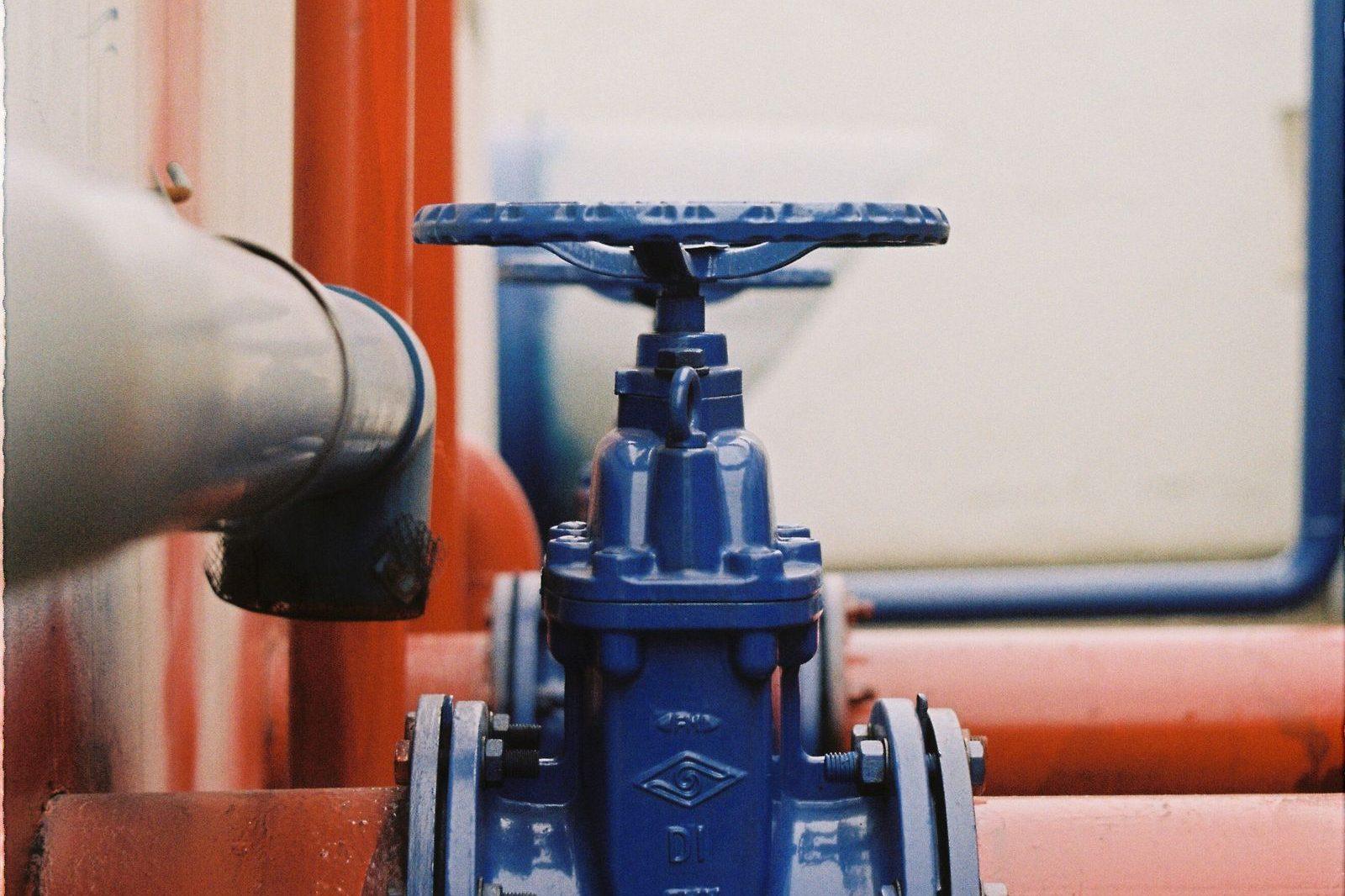
Addressing the Escalating Challenge of Water Damage in Ontario Condominiums
As a condo board member in Ontario, you are acutely aware of the challenges facing your corporation, from rising insurance premiums to the critical need for robust reserve fund planning. Among these, condo water damage prevention Ontario consistently ranks as a top concern, demanding proactive strategies and significant financial foresight. Water damage incidents are not merely inconveniences; they pose substantial financial risks, erode property values, and disrupt residents' lives.
Brilliant Property Management, with our ACMO2000 accreditation and over two decades of experience serving Toronto and the Greater Toronto Area since 2002, understands these pressures intimately. We recognize that effective water damage prevention programs are crucial for maintaining your building's integrity and ensuring the long-term financial health of your condominium corporation. Our expertise lies in guiding boards through the complexities of implementing these essential programs.
Why Proactive Water Damage Prevention is Paramount for Ontario Condo Boards
The frequency and severity of water damage claims have seen a troubling increase across Ontario, driven by aging infrastructure, extreme weather events, and higher density living. This trend directly impacts your condominium's operational budget, insurance premiums, and ultimately, unit owner maintenance fees.
Boards have a fiduciary duty to protect the common elements and ensure the financial stability of the corporation. Ignoring the risks of water damage can lead to costly repairs, significant insurance deductibles, and potentially contentious chargebacks to unit owners. Implementing proactive water leak detection systems for condos and comprehensive prevention strategies is not an option; it is a necessity for responsible governance.
Moreover, unresolved or recurring water damage can foster distrust within the community and consume valuable board resources that could be better spent on other initiatives. We advocate for a forward-thinking approach that prioritizes investment in condo water damage prevention Ontario solutions.
The Financial Impact: Rising Insurance Costs and Deductibles
Insurance markets for condominiums have hardened considerably, with many corporations facing substantial premium increases and higher deductibles. Water damage claims are a primary driver of these escalating costs. A single major incident can result in hundreds of thousands of dollars in repairs, with the corporation often responsible for a significant deductible before coverage even begins. This underscores the need for effective strategies for reducing condominium insurance costs.
Boards must also contend with the complexities of condo insurance deductible chargebacks in Ontario. Understanding when and how to charge back deductibles to unit owners for damages originating within their units is critical, yet it often leads to disputes. A robust prevention strategy minimizes the occurrence of such incidents, thereby reducing the need for chargebacks and associated conflicts.
Legal and Governance Responsibilities for Water Management
Condo boards have a legal obligation under the Condominium Act, 1998, to maintain the common elements. This extends to preventative measures against water damage. Failure to adequately maintain common elements can expose board members to liability risks, as outlined in discussions on condo board responsibilities and director liability risk.
Furthermore, ensuring a safe and habitable environment for all residents is a core governance principle. Persistent water issues can lead to health concerns, property devaluation, and a general decline in resident satisfaction. Implementing effective condominium flood protection measures demonstrates due diligence and responsible stewardship.
Essential Condo Water Damage Prevention Ontario Programs for Boards to Implement
Investing in preventative measures now can save your corporation millions in future repair costs, insurance claims, and potential litigation. We recommend a multi-faceted approach, focusing on several key areas where boards can allocate resources effectively to enhance condo water damage prevention Ontario.
I. Robust Building Envelope Management and Maintenance
The building envelope is your condominium's first line of defence against external water infiltration. Proactive management of this critical component is fundamental to water damage prevention programs. This involves regular inspections and timely repairs of roofs, exterior walls, windows, balconies, and foundations.
Strategic Roof Maintenance and Drainage Systems
Roofs are highly susceptible to water ingress, especially in Ontario's climate with freeze-thaw cycles and heavy snowfall. Regular inspections by qualified professionals are paramount to identify compromised membranes, clogged drains, and flashing issues before they become major leaks.
Boards should budget for cyclical maintenance, including clearing roof drains, inspecting sealant joints, and planning for timely roof replacements as identified in the reserve fund study. Ensuring proper drainage prevents water from pooling, which can exacerbate wear and tear and lead to leaks. This aligns with a holistic approach to mastering building envelope management.
Exterior Walls, Windows, and Balcony Membranes
Cracks in masonry, deteriorating caulking around windows, and failing balcony membranes can allow water to penetrate the building structure, leading to costly interior damage. Regular inspections should identify these vulnerabilities.
Investing in quality sealants and ensuring professional installation and maintenance of windows and balcony systems significantly contributes to managing water ingress in high-rise condominiums. Consider an annual or bi-annual building envelope survey to catch issues early.
II. Advanced Plumbing Infrastructure Monitoring and Upgrades
Internal plumbing systems are a major source of water damage within condominiums. From supply lines to drainage stacks, these systems require diligent preventative plumbing maintenance condo Ontario boards must prioritize.
Proactive Pipe Inspections and Replacement Schedules
Many older condominiums in the GTA still have original plumbing infrastructure that is nearing or has exceeded its expected lifespan. Corrosion, material fatigue, and shifting foundations can all contribute to pipe failures. Regular inspections using non-invasive technologies like video cameras can identify problematic sections.
A strategic asset management preventative maintenance plan should include a timeline for replacing risers, branch lines, and in-suite piping where feasible and necessary. This is a significant investment but prevents catastrophic failures. We assist boards in planning such major capital projects, ensuring strategic asset management and preventative maintenance strategies are in place.
Implementing Water Leak Detection Systems
Technology offers powerful tools for condo water damage prevention Ontario. Installing smart water leak detection systems for condos in common areas, utility rooms, and even in individual units (with appropriate board bylaws and owner consent) can provide early warnings of leaks.
These systems range from simple moisture sensors to sophisticated shut-off valves that can automatically stop water flow when a leak is detected. The cost of installation is often quickly recouped by preventing even a single major incident. Brilliant Property Management can assist with crafting robust RFPs to procure such innovative solutions.
Hot Water Tank and Boiler Room Management
Hot water tanks in individual units and communal boiler systems are common sources of leaks. Boards should consider programs that encourage or mandate unit owners to replace aging hot water tanks (typically every 8-12 years). For common element systems, regular professional maintenance and timely replacement are non-negotiable.
Installing drip pans with drains or leak sensors under hot water tanks and in boiler rooms is a simple yet effective preventative measure. These small investments can avert significant common element water damage repairs condo corporations often face.
III. Unit-Level Prevention and Owner Engagement
While boards manage common elements, a significant portion of water damage originates within individual units. Effective condo water damage prevention Ontario requires strong collaboration with unit owners.
Educating Owners on Appliance Maintenance and Fixture Integrity
Many unit-level leaks stem from faulty washing machine hoses, dishwasher connections, or neglected toilet mechanisms. Boards should proactively educate owners about the importance of regular inspection and replacement of these items. Providing guidelines for when to replace rubber hoses with braided steel hoses, for example, can make a difference.
Clear communication about unit owner responsibility water damage Ontario is vital. This can be done through newsletters, workshops, and clear updates on the corporation's website. We emphasize transparent communication as a cornerstone of good management.
Bylaws Governing Unit Alterations and Inspections
To prevent issues arising from unit renovations, boards should have clear bylaws regarding alterations that impact plumbing. This includes requirements for permits, qualified contractors, and post-work inspections by the corporation or its agents. For guidance, see our article on standardizing condo unit alteration approval.
Where legally permissible and practical, boards might consider a program for periodic inspections of in-suite plumbing components known to be high-risk, such as isolation valves and P-traps. This proactive approach helps identify potential problems before they escalate into major incidents requiring common element water damage repairs condo corporations.
IV. Emergency Preparedness and Rapid Response Protocols
Even with the best prevention, incidents can occur. A swift and coordinated response is critical to minimizing damage and associated costs. Effective condo water damage prevention Ontario includes robust emergency plans.
Developing and Communicating Emergency Shut-off Procedures
Every condominium must have clear, easily accessible protocols for shutting off water in an emergency, both for the entire building and for individual risers or units. This information should be well-communicated to residents, staff, and emergency services.
Regular drills and updates ensure that everyone knows their role and the correct procedures, significantly reducing response times. This forms a vital part of comprehensive condominium emergency preparedness.
Establishing a Rapid Response Team and Vendor List
Boards should establish relationships with qualified emergency restoration companies and plumbers who can respond 24/7. Having pre-negotiated contracts or preferred vendor lists can streamline the emergency response process, ensuring prompt action when a leak occurs. This falls under diligent board strategies for water damage risk management.
We emphasize the importance of strategic vendor procurement to ensure reliable and cost-effective services during a crisis.
V. Drainage and Landscaping Management
For ground-level units and properties with extensive landscaping, external drainage is crucial. Poor grading, clogged storm drains, or insufficient eavestroughing can direct water towards the building foundation, leading to basement flooding and structural damage.
Regular inspection and maintenance of exterior drainage systems, including downspouts, eavestroughs, and weeping tile systems, are essential. Landscaping should be designed to slope away from the building, preventing water accumulation near the foundation. These are key condominium flood protection measures.
VI. Adapting to Climate Change: Mitigating Extreme Weather Risks
Ontario is experiencing more frequent and intense rainfall events, as well as unpredictable freeze-thaw cycles. These patterns significantly increase the risk of water damage. Boards must integrate climate change adaptation into their condo water damage prevention Ontario strategies.
Assessing Vulnerabilities to Extreme Weather
Conduct an assessment of your building's vulnerability to extreme weather, focusing on areas prone to flooding, wind-driven rain, or ice damming. This might involve engaging specialized consultants to evaluate the building's resilience.
Consider upgrades such as enhanced waterproofing for below-grade areas, larger capacity storm drains, or improved insulation and ventilation to prevent ice dams. These investments are part of comprehensive board strategies for water damage risk mitigation.
Implementing Backflow Prevention and Sump Pump Systems
For buildings susceptible to sewer backup, installing backflow prevention devices is a critical step. For those with basements or underground parking, maintaining and upgrading sump pump systems with battery backups ensures functionality during power outages caused by storms. These measures are vital for effective condominium flood protection measures and reducing the impact of climate change on condo water damage.
Funding Water Damage Prevention Programs: Strategic Financial Planning
Implementing these vital water damage prevention programs requires careful financial planning. Brilliant Property Management emphasizes a proactive approach to funding, ensuring your corporation is prepared without resorting to reactive, costly measures.
Optimizing Reserve Fund Allocation for Water Prevention
Your reserve fund study should accurately reflect the anticipated costs of maintaining and replacing components critical to condo water damage prevention Ontario. This includes plumbing infrastructure, roofing, building envelope sealants, and drainage systems.
Boards should work closely with their reserve fund planners and property managers to ensure adequate contributions are made to cover these future expenditures. This minimizes the likelihood of needing a special assessment for unexpected water damage repairs. We provide robust support for condominium reserve fund planning.
Budgeting for Preventative Maintenance and Technology
Beyond major capital replacements funded by the reserve, allocate sufficient operating budget funds for ongoing preventative plumbing maintenance condo Ontario, routine inspections, and minor repairs. This includes annual gutter cleaning, caulking inspections, and maintenance of leak detection systems.
Consider a dedicated line item in your annual budget for water damage prevention technology and training. The initial investment in proactive water leak detection systems for condos pales in comparison to the costs of a significant flood.
The Cost of Inaction vs. Proactive Investment
It is a common misconception that deferring maintenance saves money. In the context of water damage, this approach almost always leads to significantly higher costs down the line. A small leak ignored can become a catastrophic flood, impacting multiple units and common elements.
Proactive investment in condo water damage prevention Ontario is an investment in your corporation's financial stability and resilience. It helps in reducing condo insurance premiums through water mitigation efforts over the long term.
Implementing a Robust Condo Water Damage Prevention Plan: A Board's Actionable Checklist
Successfully rolling out these prevention programs requires a structured approach. Here is a checklist for Ontario condo boards:
Phase 1: Assessment and Planning
- Conduct a comprehensive risk assessment: Identify high-risk areas, aging infrastructure, and past incident patterns. Engage experts for a thorough building envelope and plumbing audit.
- Review and update reserve fund study: Ensure adequate reserve fund allocation for water prevention components and their lifecycle.
- Develop a phased implementation plan: Prioritize critical repairs and preventative measures based on risk and budget.
- Review and revise bylaws: Strengthen provisions related to unit owner responsibilities for maintenance and alterations, and access for inspections.
Phase 2: Procurement and Implementation
- Engage qualified contractors and vendors: Use a rigorous Request for Proposal (RFP) process for all major projects, from roof replacements to leak detection system installations.
- Implement preventative maintenance schedules: Establish routine inspections and service agreements for all critical water-related infrastructure.
- Install technology solutions: Deploy proactive water leak detection systems for condos in common areas and consider programs for in-suite installations.
- Train staff and board members: Ensure everyone understands emergency protocols and the operation of new prevention systems.
Phase 3: Communication and Ongoing Monitoring
- Educate unit owners: Clearly communicate the importance of condo water damage prevention Ontario, their responsibilities, and how they can contribute. Highlight the benefits of reducing condo insurance premiums through water mitigation efforts.
- Establish clear emergency communication channels: Ensure residents know who to contact and what to do in case of a leak.
- Regularly review and update plans: Annual reviews of prevention programs, incident reports, and insurance claims will inform necessary adjustments.
- Utilize tools for financial clarity: Leverage resources like our Insurance Deductible Chargeback Estimator to understand potential financial impacts.
The Brilliant Property Management Advantage in Water Damage Prevention
At Brilliant Property Management, we believe that effective condo water damage prevention Ontario is a cornerstone of responsible condo property management in Toronto and the GTA. Our seasoned team, backed by ACMO2000 accreditation and decades of practical experience, provides the expertise your board needs to navigate these critical issues.
We work hand-in-hand with boards to conduct thorough risk assessments, develop customized prevention strategies, and oversee the implementation of essential programs. From sourcing reliable contractors for preventative plumbing maintenance condo Ontario to facilitating owner education, we provide comprehensive property management services designed to protect your investment.
Our proactive approach focuses on financial stability, leveraging innovative solutions, and fostering strong community engagement. We help boards make informed decisions that reduce long-term costs and enhance the living experience for all residents. Our commitment to transparency and meticulous planning ensures that your corporation is always prepared, minimizing the impact of climate change on condo water damage and other risks.
External Resources for Further Information
- Association of Condominium Managers of Ontario (ACMO): A leading resource for professional condominium management standards and best practices in Ontario.
- Condominium Management Regulatory Authority of Ontario (CMRAO): Provides regulatory oversight for condominium managers and management companies in Ontario.
- Condominium Act, 1998 (Ontario): The provincial legislation governing condominiums in Ontario, outlining board responsibilities and owner rights.
- Insurance Bureau of Canada (IBC) – Water Damage Resources: Offers insights and tips on preventing water damage and understanding insurance coverage.
- Canada Mortgage and Housing Corporation (CMHC) – Best Practices for Maintaining Housing Quality: Provides broader guidance on building maintenance and quality, including aspects related to water management.