Why fan coils end up on the board's agenda
In many Toronto high-rise condominiums, each suite is heated and cooled by a fan coil unit tucked behind a bulkhead, inside a closet or under a window. Hot or chilled water is pumped from central plant equipment through vertical risers to every suite, and the fan coil blows air across a coil to warm or cool the room. It is a simple, durable system, but it brings water into every unit, it depends on parts that wear out, and it sits right on the line between what the corporation looks after and what each owner looks after.
That is why fan coils generate so many questions for boards: who changes the filters, who pays when a valve seizes, who is responsible when a condensate pan overflows into the suite below, and whether an owner can rip out an old unit and install something new. The answers are rarely the same from one building to the next, because they depend on the corporation's own declaration. This guide explains the framework under the Condominium Act, 1998 and the practical steps boards can take to avoid disputes.
What counts as in-suite HVAC
Before deciding who maintains what, it helps to know what is actually in the suite. Common components include:
- The fan coil cabinet, with its fan, motor and heating or cooling coil.
- Control and isolation valves that connect the unit to the building's supply and return risers.
- A condensate drain pan and drain line, which collect moisture produced during cooling.
- Filters, which need regular replacement to keep air moving and coils clean.
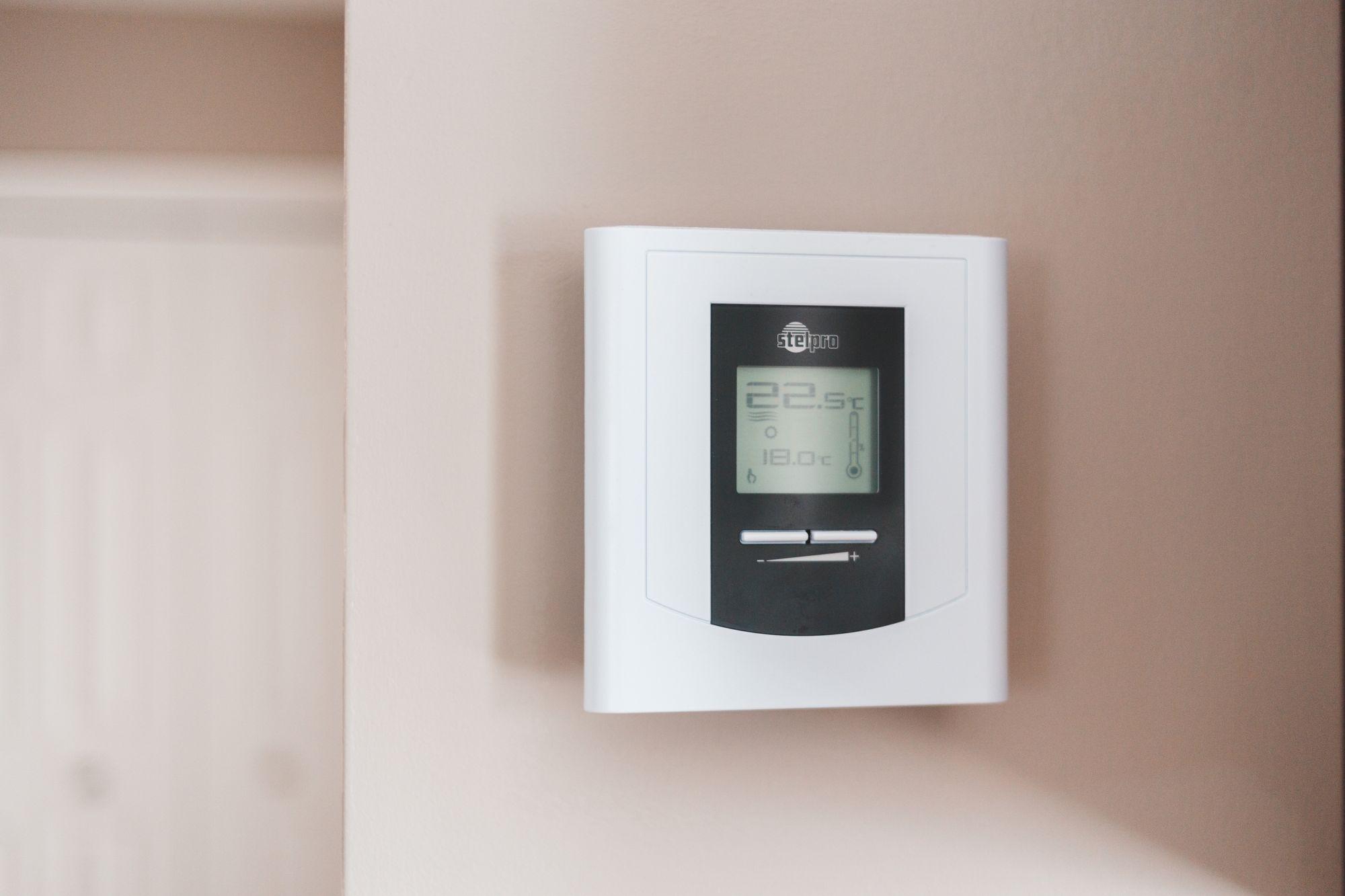
- A thermostat on the wall of the suite.
- The risers themselves, the vertical pipes that run through every floor and serve many units.
Some buildings use a two-pipe system, where the whole building supplies either heating water or cooling water at a time, and the corporation switches the system over in spring and fall. Others use a four-pipe system that can provide heating and cooling at the same time. Some newer or retrofitted buildings use in-suite heat pumps, which contain refrigerant. Each design carries different maintenance tasks, so your building's mechanical drawings and service contracts are useful reference points alongside the legal documents.
Who maintains what under the Condominium Act
The default rule
Section 90(1) of the Act sets the starting point: subject to section 91, the corporation maintains the common elements and each owner maintains their own unit. Section 90(2) adds that the duty to maintain includes repairing after normal wear and tear, but not repairing after damage. So a worn fan motor is a maintenance issue, while a coil destroyed in a flood is a repair-after-damage issue, and the two can fall on different parties.
Section 89(1) deals with damage: subject to sections 91 and 123, the corporation repairs the units and common elements after damage. Under section 89(2), that obligation includes repairing and replacing after damage or failure, but it generally does not extend to improvements made to a unit. What counts as an improvement is measured against a standard unit, which the board can describe in a by-law under clause 56(1)(h); if it has not, the standard unit schedule filed by the declarant applies (section 89(4)). An owner who installed a premium thermostat or upgraded system may therefore carry more of the risk for that equipment.
The declaration usually decides
Section 91 allows the declaration to change the default duties. Among other things, it can provide that each owner repairs their own unit after damage, that owners maintain parts of the common elements, that owners maintain and repair exclusive-use common elements, or that the corporation maintains the units or any part of them. Many corporations use these options for in-suite mechanical equipment.
The practical question is whether a given fan coil, valve or pipe is part of the unit or part of the common elements. That depends on the unit boundaries set out in the declaration and description, which often refer to pipes, wires and equipment serving one unit versus more than one unit. Risers that serve many suites are commonly common elements, while the cabinet in a suite may be either, depending on the wording. Read the boundaries schedule, the maintenance and repair provisions, and any schedule of owner responsibilities together, and ask the corporation's lawyer when the wording is unclear. For more on reading these documents, see our guide to how the declaration, by-laws and rules fit together.
Building-wide maintenance programs
Even where owners are responsible for their own fan coils, many boards decide that a building-wide program is the most reliable way to protect the property, because a neglected unit can damage suites below it and the common elements. Where the corporation has the duty, a program is how it meets it. A typical program covers:
- Filter changes on a set schedule.
- Cleaning condensate pans and checking that drain lines are clear.
- Inspecting valves, hoses and connections for corrosion or weeping.
- Checking fan motors and controls.
- Recording findings unit by unit, so recurring problems are visible.
Section 19 of the Act allows the corporation, or a person it authorizes, to enter a unit at any reasonable time on giving reasonable notice to perform the corporation's objects and duties or exercise its powers. Clear written notices, a published schedule and a process for rebooking missed appointments make access much easier. If the declaration makes owners responsible but the board wants to run a program anyway, decide in advance how costs will be handled and confirm the approach with the corporation's lawyer.
When an owner won't maintain the equipment
If an owner is responsible for maintaining equipment in their unit and does not do so within a reasonable time, section 92(3) lets the corporation do the work where the failure presents a potential risk of damage to the property or the corporation's assets, or a potential risk of personal injury. Under section 92(4), the owner is deemed to have consented and the cost is added to the common expenses payable for that unit. Whether a particular situation meets that test is a legal question, so document the issue, the notices sent and the risk before relying on it.
Leaks, water damage and insurance
Fan coils are a frequent source of water damage in towers: a cracked drain pan, a failed valve or a loose fitting can send water through several floors before anyone notices. When that happens, three questions come up quickly.
- Who repairs the damage? Section 89 puts the duty on the corporation by default, subject to the declaration and the standard unit.
- Who pays the deductible? Section 105(1) makes the deductible portion of a loss under the corporation's policy a common expense. Section 105(2) adds the lesser of the repair cost and the deductible to an owner's common expenses where the owner, a tenant or a person living in the unit with the owner's permission or knowledge caused damage to that owner's unit through an act or omission. Section 105(3) lets the corporation pass a by-law extending the circumstances in which an owner pays, as long as the damage was not caused by an act or omission of the corporation or its directors, officers, agents or employees.
- Who fixes the equipment itself? That goes back to the maintenance split in the declaration.
Because the rules interact, boards should make sure owners understand them before a leak, not after. Our articles on insurance deductibles and chargebacks and water damage prevention explain how these issues play out in practice.
Replacements, upgrades and heat pumps
Older fan coils eventually reach the end of their service life, and owners increasingly ask about replacing them or adding more efficient equipment. Boards should work through a few questions before saying yes or no.
Is the equipment part of the unit or the common elements? If it is common elements, section 98 of the Act lets an owner make an addition, alteration or improvement only if the board approves it by resolution and the owner and corporation sign an agreement that allocates cost and sets out responsibilities for repair after damage, maintenance and insurance, along with any other matters the regulations require. Depending on the change, the notice requirements in section 97 may also apply.
Will it affect the building's system? A new unit must be compatible with the building's water temperatures, flow rates and controls. Ask the corporation's mechanical contractor or engineer to review proposals before approval.
Does it contain refrigerant? Section 22(1) of Ontario Regulation 463/10 prohibits anyone from servicing or testing refrigeration equipment that contains a refrigerant unless they are certified under section 34 of that regulation and have access to equipment that can recover the refrigerant. Heat pumps and some cooling equipment fall into this category, so require proof of certification from the contractor.
If the corporation is planning a building-wide replacement, it becomes a capital project that belongs in the reserve fund study and long-term plan rather than a series of one-off approvals.
Seasonal switchover in two-pipe buildings
In a two-pipe building, the whole system delivers either heat or cooling, and the corporation decides when to switch. Switchover dates are a recurring source of complaints during mild spring and fall weather, when some residents want heat and others want cooling. A published policy that explains the system's limits, the weather conditions the corporation watches and how owners will be notified reduces frustration. Pair the switchover with fan coil checks so problems surface before the heating season, as covered in our winter readiness checklist.
Clarifying responsibility in your building
If owners regularly ask who is responsible for fan coils, the documents are probably not clear enough for them. Boards have several tools:
- A plain-language responsibility chart that summarizes, component by component, who maintains, repairs and insures what, with a note that the declaration governs.
- A standard unit by-law under clause 56(1)(h), which clarifies what the corporation repairs after damage and what counts as an owner improvement.
- A chargeback by-law under section 105(3), if the board decides owners should bear more of the deductible risk.
- Rules on access for maintenance or approved contractors. Under section 58(2), rules must be reasonable and consistent with the Act, the declaration and the by-laws.
Changing who is responsible for maintenance at its root usually means amending the declaration, which needs owner approval under the Act. Get legal advice before starting that process.
A practical checklist for boards
- Confirm from the declaration and description which fan coil components are unit and which are common elements.
- Check whether the declaration shifts maintenance or repair duties under section 91.
- Confirm whether a standard unit by-law or schedule applies, and what it says about HVAC equipment.
- Decide whether the corporation will run a building-wide maintenance program and how its cost is handled.
- Set a notice process for suite entry under section 19 and track missed appointments.
- Keep unit-by-unit service records and leak reports.
- Require board approval and a section 98 agreement for owner changes to common element equipment.
- Require proof of refrigerant certification for any work on heat pumps or other refrigerant-containing equipment.
- Include fan coil and riser replacement in the reserve fund study where the corporation is responsible.
- Communicate the responsibility split and the switchover policy to owners and tenants every year.
How Brilliant Property Management can help
Fan coil programs work when someone is tracking every suite, every notice and every contractor visit. Our team schedules building-wide maintenance, coordinates suite access, keeps service records, manages leak response and helps boards turn the declaration into clear owner communications. Learn more about condo property management in Toronto and our services, or request a proposal for your building.
Frequently asked questions
Who is responsible for fan coil maintenance in an Ontario condo?
It depends on the declaration. Under section 90 of the Condominium Act, 1998, the corporation maintains the common elements and each owner maintains their own unit, but section 91 allows the declaration to change those duties, including by making the corporation maintain units or parts of them. Start with the unit boundaries and the maintenance and repair provisions in your declaration, then check any by-laws and rules.
Who pays when a fan coil leaks and damages other units?
Under section 89 of the Act, the corporation repairs units and common elements after damage, subject to the declaration and to improvements beyond the standard unit. If the corporation's insurance responds, section 105 makes the deductible a common expense unless an owner, tenant or occupant caused the damage through an act or omission, or a by-law under section 105(3) extends the owner's share. Each case turns on the declaration, by-laws and facts.
Can the condo corporation enter my suite to service the fan coil?
Yes, on reasonable notice. Section 19 of the Act lets the corporation, or a person it authorizes, enter a unit at any reasonable time on reasonable notice to perform its duties or exercise its powers, which includes building-wide maintenance programs the corporation is responsible for.
Can an owner replace their fan coil or install a heat pump?
Possibly, but the owner needs to know who owns the equipment first. If it is part of the common elements, section 98 of the Act requires board approval by resolution and a written agreement on cost, maintenance, repair after damage and insurance, among other conditions. Any work on equipment containing refrigerant must be done by a person certified under Ontario Regulation 463/10.
This article is general information about the Condominium Act, 1998 and Ontario Regulation 463/10, current as of November 2026. It is not legal advice. Responsibility for fan coils and in-suite HVAC depends on your declaration, by-laws, rules, contracts and circumstances. Consult your condominium lawyer about your corporation's situation.